Traveling abroad can be exciting, but it can also lead to unexpected expenses, particularly when it comes to mobile roaming charges. Recent experiences shared online highlight how travelers can incur substantial roaming fees, often without realizing it. Here’s how you can avoid these phantom charges while enjoying your trip.
The Dangers of Phantom Roaming Charges
Many travelers have reported shocking bills from their mobile carriers after returning from trips abroad. For instance, one Reddit user found themselves facing an astonishing $53,000 charge following an eight-day European vacation, which they initially budgeted to cost around $100 in roaming fees. Although my own experience was less severe—only about $20 in roaming charges—it nonetheless raised concerns about how easily these fees can accumulate.
Understanding the Problem
Despite my precautions to avoid data usage, I was still hit with phantom charges twice within three months. My mobile data and roaming settings were disabled, and the phone remained connected to Wi-Fi. However, my carrier recorded a minuscule amount of data usage—under 200KB—triggering the full daily roaming fee. This was perplexing since I was not actively using the device.
Contacting the Carrier
When I reached out to my carrier for clarification, the agent informed me that my phone had connected to mobile data for a brief moment, enough to incur the roaming fee. Despite being confident that I hadn’t enabled data, I was left puzzled about how these split-second connections occurred. Various reasons could explain these charges, ranging from network signaling issues to carrier policies treating certain services as roaming data.
Preventing Future Charges
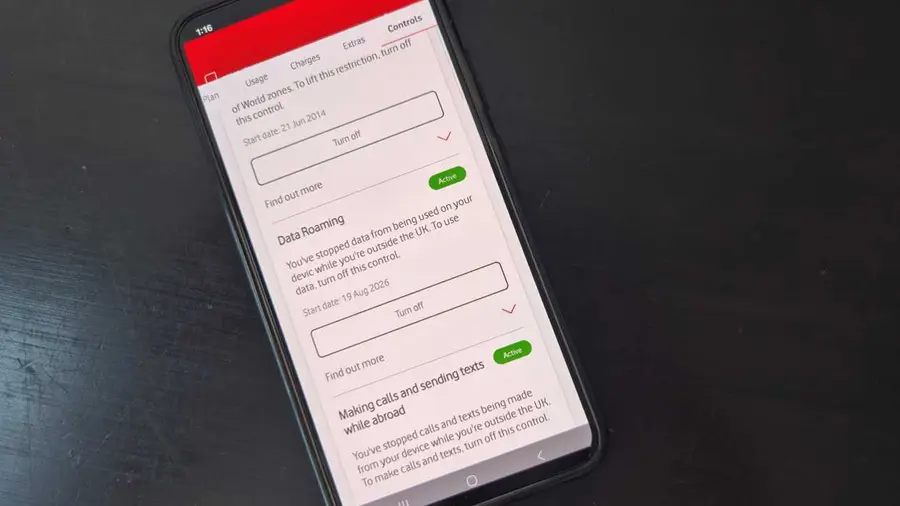
To effectively avoid phantom roaming charges, there are several strategies you can adopt. While some may suggest putting your phone in airplane mode or disabling the SIM card, these methods might prevent you from receiving important calls or messages. A better approach is to block data roaming at the account level through your carrier, which prevents any roaming data charges from being applied while still allowing calls and texts.
After implementing this solution, I felt more secure knowing that even if my phone connected to a network, it wouldn’t incur any roaming fees. It’s important to check with your own carrier to see if they provide similar options, as the procedures and terminologies can vary widely.
In summary, while traveling, it’s crucial to take proactive measures to protect yourself from unexpected mobile charges. Understanding how phantom roaming charges work and implementing robust safeguards can help ensure that your travel experience remains enjoyable without the worry of ballooning phone bills.
Source: https://www.androidauthority.com/phantom-roaming-charges-how-to-avoid-3710125/