
Qualcomm is making significant strides in the laptop market, particularly for those using Snapdragon chips. At the recent Snapdragon Summit, the company unveiled exciting developments that promise to enhance the user experience for power users and enthusiasts alike.
RISC Computing and Snapdragon Evolution
For the past few decades, laptops have attempted to mimic desktop computers, utilizing processors that weren't necessarily optimized for energy efficiency. However, a notable shift is occurring as laptops increasingly adopt RISC (Reduced Instruction Set Computing) architecture. This evolution includes models powered by Qualcomm's Snapdragon chips, specifically the X series.
Linux Support: A Long-Awaited Feature
Despite their impressive performance and battery longevity, Snapdragon laptops have struggled with one significant limitation: Linux support. While various Snapdragon processors have long been the backbone of Android devices, which are built on a Linux foundation, the initial versions of Snapdragon X laptops did not cater to mainstream Linux distributions.
Debian Support on the Horizon
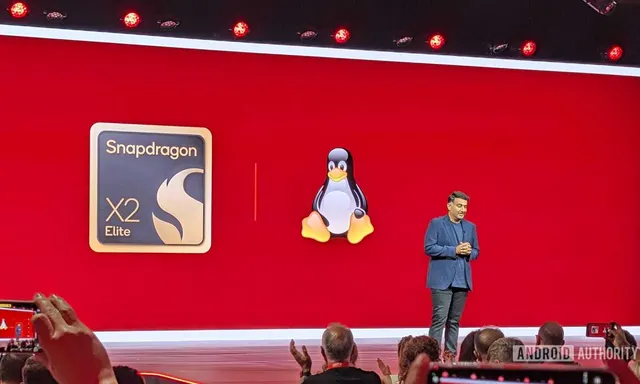
During the keynote presentation at the Snapdragon Summit, Qualcomm announced that Linux compatibility is finally coming to Snapdragon laptops. The first step in this journey is the introduction of Debian support, expected to roll out by the end of this year. This is a welcome development for users who have been eagerly awaiting broader Linux support on their devices.
Future Plans for Ubuntu Compatibility
Looking ahead to 2027, Qualcomm plans to expand Linux compatibility even further. Devices based on the Snapdragon X2 chip are set to support Ubuntu, with ASUS reportedly preparing its own Snapdragon X2 hardware to launch with Ubuntu availability targeted before mid-year. This progression indicates a promising future for Linux users who prefer powerful, efficient laptops.
While Linux has traditionally catered to a niche audience of enthusiasts, various distributions are now focusing on enhancing usability. Coupled with the advancements in Snapdragon laptop hardware, this creates an enticing opportunity for users to explore Linux as a viable operating system.
The growing support for Linux on Snapdragon laptops signifies a shift in the computing landscape, potentially leading to a broader adoption of Linux among mainstream users. As Qualcomm continues to innovate and expand its offerings, the reasons for not trying Linux are steadily diminishing.
Source: https://www.androidauthority.com/snapdragon-laptop-linux-3714807/