
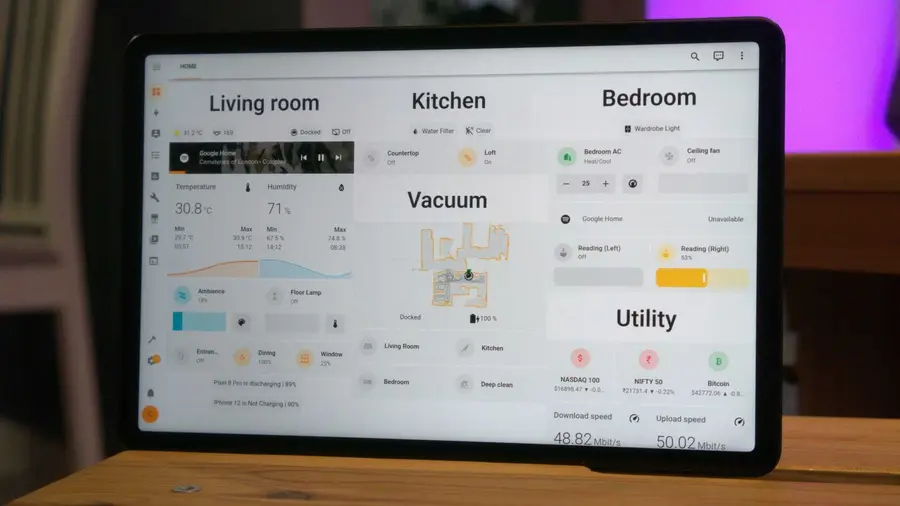
Home Assistant OS 18.0: Significant Updates for Easier Smart Home Setup
Home Assistant, a platform favored by smart home technology enthusiasts, has just released Home Assistant OS 18.0. This update introduces many changes aimed at making smart home setup faster and reducing user frustration. For those unfamiliar, Home Assistant OS is not the Home Assistant application itself, but the underlying operating system that powers the platform, enabling users to control and automate devices in their homes.
Major Update with the Latest Linux Kernel
One of the biggest changes in Home Assistant OS 18.0 is the upgrade to the Linux 6.18 LTS kernel, up from the previous Linux 6.12 version. This update also refreshes several core components, such as Docker 29.5.3, containerd 2.2.4, and Buildroot 2025.02.14. With these improvements, Home Assistant is expected to run more reliably, support newer hardware, and remain secure for longer.
Faster and Easier Installation
Home Assistant OS 18.0 also speeds up the installation process. The installation image is now smaller and takes less time to install on devices like Raspberry Pi and mini PCs. After the system boots for the first time, it will automatically expand and utilize all available storage space, so users don’t need to perform manual setup.
Improvements for Virtual Machine Users
For users running Home Assistant on virtual machines, the installation process is now simpler. Previously, users often had to manually increase the virtual hard drive size before starting Home Assistant for the first time. However, with this update, the virtual machine image now comes with 32GB of pre-allocated storage, allowing users to start immediately without additional configuration.
Better Memory Management
Home Assistant OS 18.0 also improves memory management when devices experience RAM shortages. Previously, the system automatically created a swap file equal to one-third of the device’s memory, which was not ideal for all setups. The new version keeps the default swap file between 1GB and 4GB, helping the system run more efficiently across various devices. Users who have customized their swap settings will not be affected by this change.
Raspberry Pi users also gain a significant new capability: the ability to check and update the bootloader firmware directly from Home Assistant OS via command-line tools. In an upcoming version of the Home Assistant application, Home Assistant Core 2026.7, this firmware update is expected to be visible directly in the user interface, making it easier to install.
However, there is one important warning for Raspberry Pi 5 owners. Home Assistant OS 18.0 requires bootloader firmware released on February 12, 2025 or later. Systems running older firmware may experience display freezes during the boot process. Therefore, users are advised to update their bootloader before installing this new OS release.
Enhanced Initial Setup Experience
Home Assistant has also improved the initial setup experience. When first powered on, users will now see a progress bar as Home Assistant Core downloads and installs. The company has also fixed early mDNS announcements, allowing devices to be more easily discovered by mobile apps during setup.
Home Assistant OS 18.0 is now available, and the project recommends all users update to the latest version. With the various improvements offered, Home Assistant OS 18.0 is expected to provide a better experience for all users.
Source: https://www.androidauthority.com/home-assistant-os-18-3680188/