Huawei has taken a significant step in health monitoring with its latest smartwatch, the Huawei Watch GT 7 Pro. This device not only tracks heart rate and sleep patterns but also includes features aimed at helping users assess their risk for coronary heart disease and diabetes.
Advanced Health Monitoring Features
According to Edy Supartono, Senior Retail Manager at Huawei Device Indonesia, one of the standout features of the Watch GT 7 Pro is its groundbreaking Coronary Heart Disease Risk Study. This is the first smartwatch to offer such a capability, designed to raise early awareness of potential heart disease risks.
Understanding Heart Disease Risks
Edy explains that various factors contribute to the likelihood of developing coronary heart disease, including high blood pressure, cholesterol levels, diabetes, smoking habits, lack of physical activity, obesity, family history, and age. Early signs like chest pain, shortness of breath, unusual fatigue, cold sweats, or dizziness are often dismissed as everyday complaints.
“We aim to help people become more aware of their health conditions,” Edy stated.
How the Risk Study Works
The 1st Coronary Heart Disease Risk Study does not activate automatically upon wearing the smartwatch. Users must first consent to enable this feature. The system subsequently requests various information, including family medical history, weight, and which wrist the smartwatch is worn on. Users will then undergo ECG measurements and monitoring over approximately three days.
During this period, it is recommended that users wear the smartwatch throughout their daily activities and during sleep. Once enough data is collected, the system generates an evaluation report categorizing users into low, medium, or high-risk groups.
Additional Health Insights
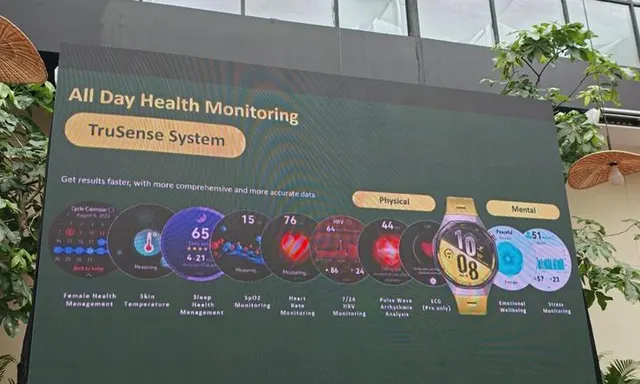
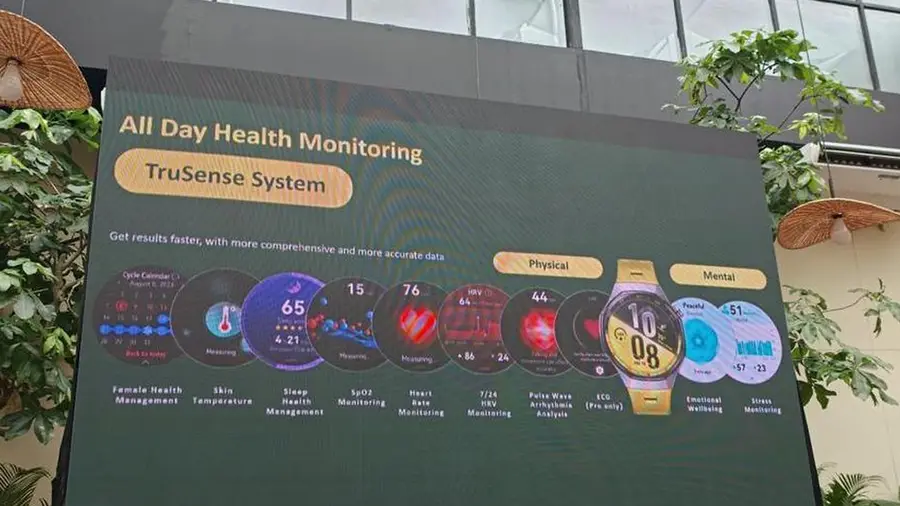
Beyond the coronary heart disease study, the Watch GT 7 Pro features an ECG, arterial stiffness assessment, and Heart Rate Variability (HRV) tracking to monitor heart rate variations. Huawei has also included a Diabetes Risk Study, which functions similarly. Users initiate a monitoring period, and the smartwatch collects data for analysis.
Edy notes that the evaluation process can take between three to fourteen days, depending on how frequently the smartwatch is worn. Continuous use, including during sleep, allows for quicker data collection, while frequent removal extends the analysis period.
Although Huawei emphasizes that these features are not substitutes for professional diagnoses, they aim to enhance user understanding of potential health risks.
Physical Readiness and Sleep Tracking
Another notable feature is the Physical Readiness Score, which assesses whether the user is prepared for strenuous activities. This score is derived from various data points, including daily activity levels, calories burned, sleep quality, and heart rate.
For example, if a user intends to exercise but their Physical Readiness Score is low, the system may recommend lighter activities to allow for more recovery time.
Moreover, the Watch GT 7 Pro incorporates Advanced Sleep Tracking and multidimensional emotional well-being assessments. The sleep tracking feature analyzes conditions before, during, and after sleep, covering aspects like deep sleep duration and frequency of awakenings. Meanwhile, the emotional well-being feature provides more detailed insights into users' emotional states, including feelings of anxiety, worry, and contentment.
With these comprehensive features, Huawei positions the Watch GT 7 Pro as more than just a fitness tracker; it aims to provide a holistic view of users' health conditions.
“However, smartwatch monitoring should always be considered supplementary. For accurate diagnoses and health management, medical consultation is essential,” Edy concluded.
Source: https://inet.detik.com/consumer/d-8686300/huawei-watch-gt-7-pro-bisa-pantau-risiko-jantung-dan-diabetes-begini-caranya