Selecting a laptop with an OLED screen may seem appealing, but it’s essential to consider your actual needs. As we move into 2026, modern IPS panels are proving to deliver excellent picture quality for everyday tasks, all while being more budget-friendly and energy-efficient. The choice of whether to go for OLED should be rooted in specific requirements rather than trends or the belief that OLED is always superior.
The Benefits of IPS Technology
This article delves into the reasons why IPS displays still make sense for most laptop users, particularly for those whose primary tasks involve working with documents, spreadsheets, emails, and web browsing. We'll compare the advantages and disadvantages of both panel technologies based on real testing data, enabling you to make an informed decision that aligns with your needs and budget.
Battery Life Considerations
One of the key factors when selecting a laptop is battery life. When unplugged, the drawbacks of OLED panels become apparent. Higher resolution OLED screens consume more power than their more affordable LCD counterparts, and this difference can be significant across various laptop configurations.
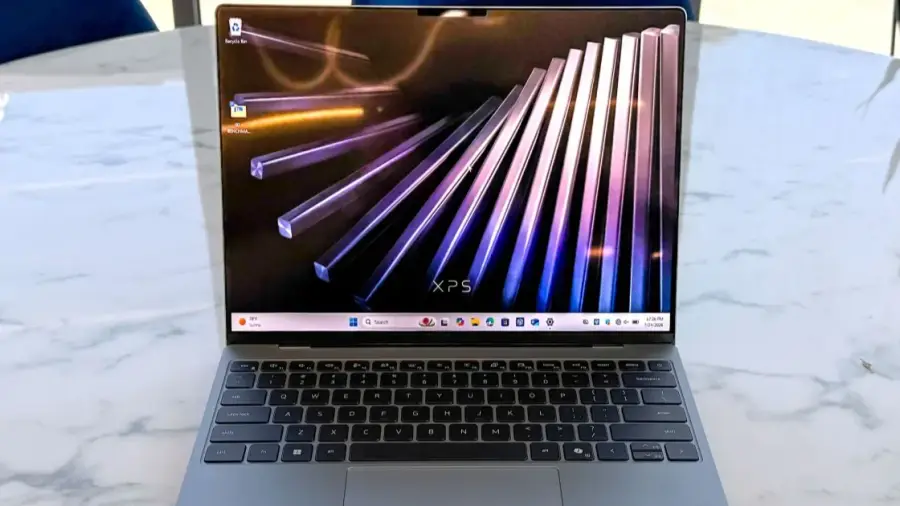
Take the Dell XPS 14, for example. In testing, the OLED version lasted 12 hours and 23 minutes while browsing the web. In contrast, the model with a lower resolution LED panel lasted an impressive 20 hours and 41 minutes. This over 8-hour difference is a considerable advantage for users who often work on the go or travel without access to power outlets.
Misconceptions About IPS Displays
It's a common misconception that choosing an IPS panel in 2026 means settling for a dim and low-resolution screen. In reality, many modern LCD panels boast high resolutions, impressive 120Hz refresh rates, strong brightness levels, and excellent color reproduction. These features are more than sufficient for daily work and entertainment.
For instance, the Dell XPS 13 demonstrates that non-OLED displays can impress, achieving a brightness of 394 nits and covering 112.6% of the sRGB color gamut. Additionally, the Lenovo IdeaPad Slim 3i takes it a step further with a 120Hz touch IPS display, showcasing how features that were once exclusive to high-end laptops are now making their way into mid-range products.
Evaluating Display Quality
However, it's important to note that not all IPS panels guarantee high quality. Cheaper models can still be dim, washed out, or suffer from uncomfortable glare. It’s advisable to look beyond just the display technology and evaluate factors like brightness, resolution, refresh rate, and color performance when selecting your next work laptop.
For those keen on display technology advancements, the Zenbook 14 Air with its 120Hz OLED screen proves that premium panels still have their market. However, for daily productivity, a good IPS display often represents a more sensible choice.
Making the Right Choice for Your Needs
With memory and storage prices continually rising, many laptop buyers need to weigh their options carefully. If forgoing an OLED display allows you to upgrade from 16GB to 32GB of RAM or from a 512GB SSD to a 1TB SSD, it’s generally wiser to opt for the additional capacity.
This is particularly true for RAM. In many modern laptops, the memory is soldered directly to the motherboard, meaning that choosing too little at purchase could leave you stuck with insufficient memory throughout the laptop's lifespan. Insufficient RAM can significantly impact everyday use, while storage can be more easily supplemented with cloud services and external drives.
Unless your work specifically demands an OLED display, your primary focus should be on ensuring adequate RAM and storage, alongside strong battery life, before considering the extra expense of an OLED screen. This approach guarantees that your investment will have the most substantial impact on your long-term user experience.
In conclusion, while OLED displays have become synonymous with premium laptops, making cheaper display options feel less desirable, this perspective is misguided. Your laptop configuration should reflect what you will genuinely experience over the years.
If a brighter, richer display significantly enhances your experience, then OLED is an obvious choice. However, if your priority is to secure the best overall specifications within your budget, opting for an IPS display could be the more prudent path, even if it appears less impressive in the product listing.
Ultimately, the final decision rests on individual needs. OLED technology continues to evolve, and the latest dual-layer OLED panels show promising innovations. However, for now, IPS remains the most logical choice for the majority of users prioritizing value and functionality.
Source: https://telset.id/how-to/jangan-asal-pilih-oled-ini-alasan-ips-masih-layak-di-2026