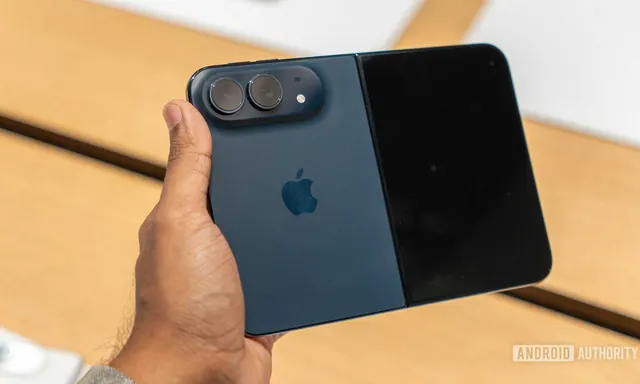
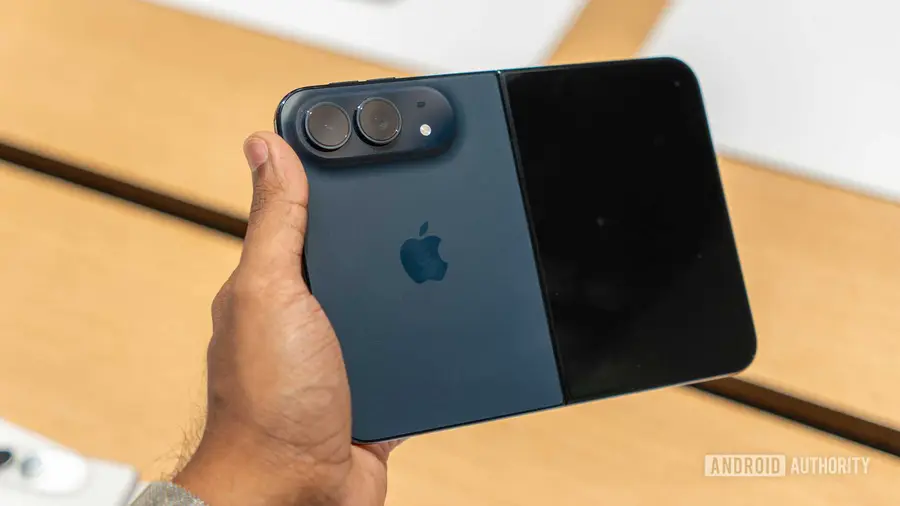
In the evolving world of smartphones, foldable devices have carved out a niche that polarizes users into two distinct groups. Some embrace the innovation and complexity, while others, like myself, have grown weary of their exaggerated promises. My journey with foldable phones began with enthusiasm, but as time passed, the allure faded, revealing several fundamental issues.
The Allure of Foldables
Initially, the idea of a foldable phone was exciting. It combined the functionality of a smartphone and a tablet, allowing multitasking in a compact form. The novelty was captivating, and I found myself drawn to the potential for productivity gains. However, as the excitement waned, I realized that my actual usage did not align with the device’s capabilities.
Complicated Mechanics and Their Implications
Foldable phones are built on intricate mechanisms designed to facilitate their dual functionality. Yet, this complexity often seems unnecessary. Instead of simplifying my tech experience, these devices introduced fragility and potential failure points into my daily routine. I began to question the need for such elaborate engineering when my basic smartphone already handled my needs adequately.
The Challenge of Digital Overload
In our increasingly connected lives, the boundary between work and personal time has blurred. My foldable phone, once a tool for productivity, started to feel more like a source of distraction. Notifications from social media and messaging apps were incessant, leading to a sense of overwhelm. I found that relying on a single device for both work and leisure drained my mental energy.
Embracing Compartmentalization
To regain control over my digital life, I opted for a more compartmentalized approach to technology. I reintroduced multiple screens into my setup, using a smartwatch for notifications and a tablet dedicated solely to entertainment. This strategy allowed me to create physical and mental boundaries that helped reduce the compulsive need to engage with my phone constantly.
The concept of compartmentalized computing has proven effective. By designating specific devices for designated tasks, I can enjoy my time without feeling tethered to one gadget. This intentionality has brought a sense of peace and clarity to my daily routine, enabling me to focus on what truly matters.
While foldable phones may serve a purpose for some, I have come to view them as unnecessary in my personalized tech ecosystem. They occupy an awkward space that doesn’t quite fit my lifestyle. Despite their potential, I find greater satisfaction in devices that cater to specific needs rather than attempting to do it all.
Ultimately, my shift away from foldable phones reflects a broader trend toward specialization in technology. As more users become aware of their digital habits, the demand for devices that fulfill singular functions is likely to grow. In this evolving landscape, I choose to embrace simplicity and intentionality over the complexities of foldable devices.
Source: https://www.androidauthority.com/why-i-cant-stand-foldable-phones-3714723/