Having spent over a decade reviewing smartphones, I find myself increasingly disenchanted with the constant cycle of annual upgrades that manufacturers promote as revolutionary. The reality is that many new models offer little more than incremental improvements, leaving consumers frustrated and underwhelmed.
The Cycle of Annual Releases
Smartphone manufacturers have established a relentless annual release schedule that often leads to disappointment. Each new model is expected to be significantly better than its predecessor, a promise that is rarely fulfilled. Instead, consumers are presented with slightly upgraded devices at higher prices, lacking any real innovation.
Disappointing Releases in 2026
This year, many anticipated releases have failed to excite. Google's Pixel 10a, for example, is nearly indistinguishable from its predecessor, the Pixel 9a. Despite being a decent budget option at $500, the lack of substantial improvements raises questions about its necessity.
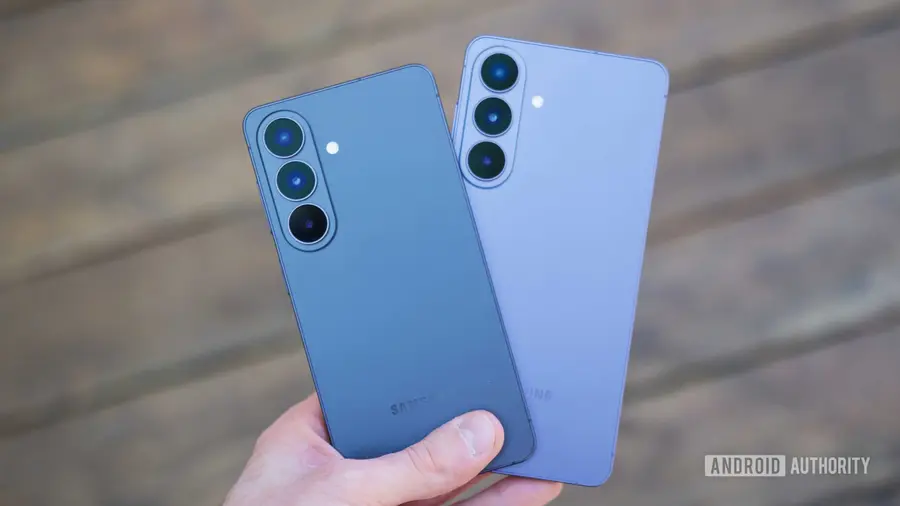
Similarly, Motorola's 2026 Razr series introduced minor enhancements, such as new colors and a battery upgrade, but it also saw a price increase and reduced storage options, leaving many potential buyers disillusioned. Samsung's Galaxy S26 and its variants have also struggled to stand out, with the base model becoming increasingly expensive while competition from Samsung's own Galaxy FE series intensifies.
Consumer Sentiment on Upgrading
According to a recent survey, over 44% of consumers prefer to keep their smartphones for three to five years, while more than 28% hold onto theirs for even longer. Many users find satisfaction in their current devices, as evidenced by individuals in my own family who are content with older models like the OnePlus 9RT and Nothing Phone 1.
The Importance of Software Support
One of the key factors contributing to the trend of holding onto smartphones longer is the extended software support now offered by major brands. Samsung and Google provide six to seven years of OS and security updates, ensuring that devices remain functional and compatible with new apps. As a result, the pressure to upgrade diminishes.
Moreover, most popular Android apps do not require the latest hardware to perform optimally. Recent launches have focused heavily on hardware capabilities without demonstrating a tangible benefit to users' everyday experiences. The gaming landscape, for instance, remains dominated by classic titles that do not necessitate cutting-edge processors.
The Case for a New Release Strategy
Smartphone manufacturers could benefit from adopting a release strategy similar to that of the camera industry, where new models appear every two to four years. This approach would encourage companies to invest more time into developing meaningful upgrades rather than rushing to market with minor changes. The additional time could lead to better software refinements and a more polished user experience upon launch.
Additionally, the marketing costs associated with frequent launches are substantial. By moving away from the annual cycle, manufacturers could reallocate resources toward enhancing product quality, ultimately benefiting consumers.
Looking Ahead
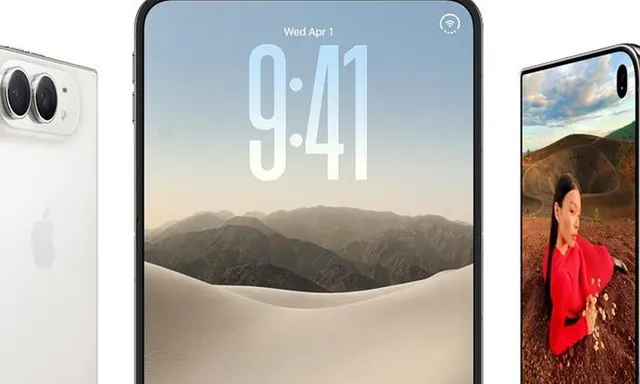
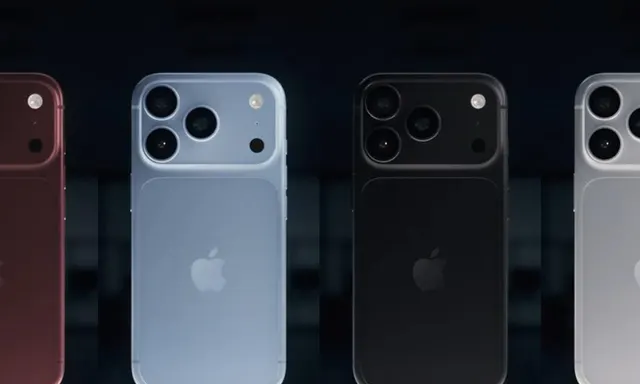
Despite the current landscape, there are still exciting developments on the horizon for 2026, including the anticipated Google Pixel 11 series and Apple’s iPhone 18 series. Innovations like Google’s Pixel Glow feature and Apple’s first foldable device, the iPhone Ultra, offer a glimmer of hope for the future.
While there are still advancements to look forward to, the scale of innovation has diminished significantly. As a technology enthusiast, it’s disheartening to witness this trend, but it also presents an opportunity for consumers to rethink their upgrading habits.
Source: https://www.androidauthority.com/dont-waste-money-buying-new-smartphone-2026-3691953/