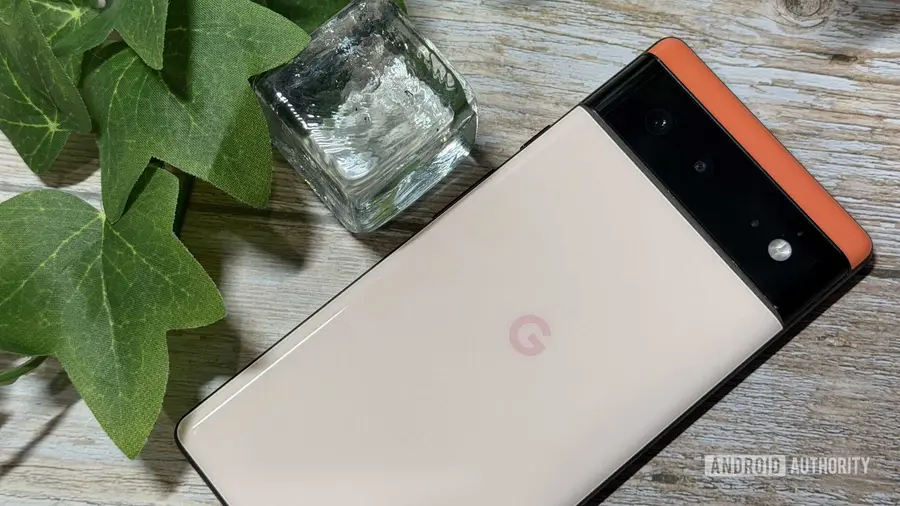
The Google Pixel 6 holds a unique place in the heart of tech enthusiasts, evoking mixed feelings upon its recent discontinuation. While its end signifies a chapter closing, the support extension from Google has been appreciated, allowing users to experience new software enhancements even on older hardware.
A Pivotal Moment in Google's Smartphone History
The Pixel 6 marked a significant turning point for Google’s smartphone lineup. This device heralded the introduction of the Tensor chip, shaping the identity of future Pixel models. It represented a bold new direction for Google, transforming the perception of their smartphones from uncertain to innovative.
From Missteps to Milestones
Before the Pixel 6, Google seemed to be floundering in the smartphone market. The earlier Nexus series had its charm but lacked a cohesive vision. The original Pixel and its successor, the Pixel 2, were celebrated for their groundbreaking camera capabilities, yet the hardware often lagged behind competitors like Samsung. The Pixel 4 XL offered some excitement, but limitations like a small battery and insufficient RAM hindered its potential.
With the Pixel 5, Google appeared to concede to the midrange market, emphasizing software rather than hardware prowess. It was evident that a strategic overhaul was necessary. The Pixel 6 aimed to rectify this with its fresh design and innovative technology.
The Launch Challenges
However, the launch of the Pixel 6 was anything but smooth. Many users, including myself, experienced a range of frustrating issues, such as an unreliable fingerprint sensor and connectivity problems. The first-generation Tensor chip was notorious for overheating, severely affecting performance and battery life. Initial impressions were marred by these setbacks, leading to a difficult two-year period for Google.
Recovery and Resilience
Despite the rocky start, Google demonstrated resilience by addressing these concerns over time. The Pixel 6's evolution paved the way for more refined devices, ultimately enhancing the user experience. As the device received updates, it became a reliable option for daily use, even as it aged. Running on Android 17, the Pixel 6 continues to perform adequately for most tasks, thanks to ongoing software support.
While the battery life may not match that of contemporary flagship devices, the Pixel 6 still excels in multitasking and camera performance. It offers a solid experience, making it a worthy backup phone for those who have held onto it.
In retrospect, the Pixel 6’s tumultuous journey highlights both the challenges and triumphs of Google’s hardware evolution. Though it faced significant hurdles, it ultimately laid the groundwork for future innovations. The original price point of $600 for the Pixel 6 is also a reminder of how much the market has shifted in just a few years.
As we bid farewell to the Pixel 6, we can appreciate its role in shaping the future of Google’s smartphones. Its legacy is one of perseverance and adaptation, reflecting the broader narrative of technology development.
Source: https://www.androidauthority.com/google-pixel-6-revisit-2026-3692192/