Shifting Paradigms in Smartphone Shopping
Buying a new smartphone today is no longer just an impulsive decision. People are now more cautious and consider various factors before spending money on electronic devices. Rising credit interest rates and fluctuations in the rupiah exchange rate, combined with surging prices of non-subsidized fuel, have forced consumers to tighten their budgets, including when purchasing smartphones.
Rising Smartphone Prices in the Market
Recent data shows that smartphone prices in Indonesia have risen significantly, with the average selling price increasing by 12 percent year-on-year in the first quarter of 2026. This phenomenon is closely linked to the impact of the global geopolitical crisis affecting supply and demand, as well as surging prices of chipsets and memory caused by the growing demand for artificial intelligence (AI) infrastructure.
According to S&P Global, the rapid development of AI and data centers has pushed chip manufacturers to redirect most of their production capacity, causing the stock of chipsets and memory typically used for smartphones to dwindle. This has contributed to the surge in component prices.
Smartphones as a Long-Term Investment
In this context, consumer behavior is beginning to change. Research shows that the smartphone replacement cycle now reaches 43 months, meaning upgrades are no longer done every 1.5 to 2 years. This indicates that the decision to buy a smartphone is now more like an investment decision. Consumers not only compare technical specifications but also consider device lifespan, data security, software support, and long-term ownership costs.
Yadi Prayitno, Vice President of Samsung Electronics Indonesia, stated that smartphones today must provide greater long-term value and not just offer the latest technology at the time of purchase. "We want Samsung smartphones to be seen as a long-term investment," he said.
Support and Sustainability from Samsung
Samsung is committed to providing operating system and security updates for up to six years, a unique advantage for the company. This is important, especially considering the ongoing development of AI. Devices that do not receive updates risk falling behind and missing out on new features that will be introduced.
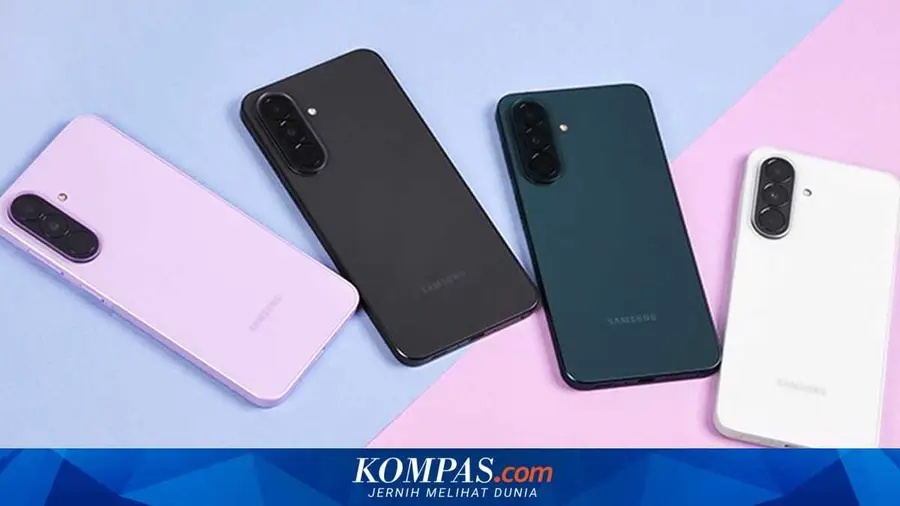
Yadi emphasized that investing in a smartphone is not only about the physical durability of the device but also its ability to deliver better return on investment (ROI) for consumers. To that end, Samsung has introduced advanced features accessible in more affordable smartphone segments, such as the Voice Transcription feature on the Samsung Galaxy A37, which can automatically convert conversations into text.
Addressing Economic Challenges and Affordability
Samsung not only focuses on durable products but also strives to reduce financial barriers faced by consumers. The company has launched various affordability programs, ranging from installments and financing to trade-in programs. Additionally, Samsung provides extensive after-sales service with 165 service centers in 133 cities across Indonesia.
Yadi believes that the value of a smartphone is not only determined by the highest specifications but also by how long the device can last and support the user's productivity. In today's era of AI and economic uncertainty, smartphones are gradually shifting from consumer goods to long-term investments.
With all these efforts, Samsung is committed to creating products that not only meet current technological needs but also endure and provide value in the future. "Samsung's investment is oriented toward sustainability and long-term value," Yadi concluded.
Source: https://tekno.kompas.com/read/cm/2026/06/24/11305747/saat-smartphone-samsung-bergeser-jadi-investasi-jangka-panjang