Introduction to Battery Capacity Challenges
In recent years, smartphone manufacturers have significantly increased battery capacities, largely due to advancements in silicon-carbon chemistry. This technology enables the creation of higher-density cells, allowing for larger batteries without increasing the device's size. However, this innovation comes with a challenge: international shipping regulations restrict the transport of batteries exceeding 20Wh.
Regulatory Hurdles for Smartphone Manufacturers
As a result of these regulations, manufacturers often have to make difficult choices. They can either divide the batteries into multiple smaller cells to comply with the 20Wh limit or opt to produce phones with smaller batteries for certain markets like Europe and the USA. Apple, however, has devised a clever strategy to navigate these restrictions.
Apple's Software-Based Solution
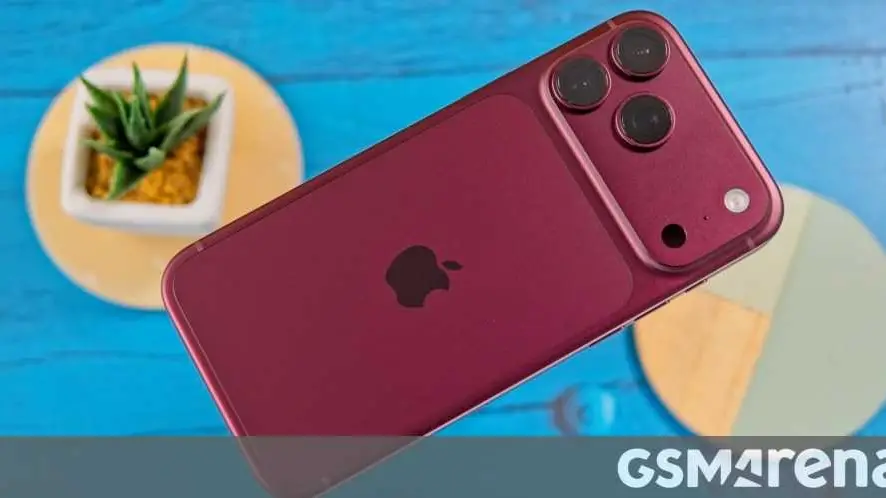
The approach Apple has taken is outlined in the support documentation for the iPhone 18 Pro Max. It details a software limitation that restricts the battery charge to below 20Wh initially. This means that when users power on their iPhone for the first time, the full battery capacity, which is rated at 5,567mAh (21.75Wh) for the eSIM-only model shipped in the US, becomes accessible. In comparison, the European version, which includes a physical SIM card slot, has a slightly lower capacity of 5,391mAh (21.06Wh), yet it still surpasses the 20Wh threshold.
Implications of Apple’s Workaround
It is crucial to note that these battery capacities are based on manufacturer ratings and should not be directly compared with the typical capacities advertised by Android devices. The US transport regulator approved this shipping method in June 2025, while other bodies like ADR, IATA, and ICAO have not yet provided official guidance. However, the iPhone 18 Pro is already available for sale in the EU, suggesting tacit approval.
User Control and Future Developments
Furthermore, Apple provides users with the option to enable or disable this feature, especially for those considering international shipping. Once the device is shipped, users can revert to the full capacity setting. Looking ahead, the UN Sub-Committee of Experts on the Transport of Dangerous Goods has been discussing a proposal to revise the outdated 20Wh limit. This proposal highlights the inconsistency in treating single-cell and multi-cell batteries, paving the way for potential regulatory changes by 2029.
Apple's innovative shipping method could set a precedent for the industry, potentially leading to the introduction of smartphones with larger batteries in both European and US markets without the existing regulatory complexities. This might eliminate the need for manufacturers to produce different versions of the same device for various regions.
Source: https://www.gsmarena.com/heres_apples_clever_way_of_circumventing_20wh_battery_shipping_restrictions-news-74689.php