Recently, Meta introduced a new generative AI feature called Muse Image, which has sparked controversy among users. This feature allows people to create images from publicly available Instagram photos, raising significant concerns regarding privacy and consent.
Understanding Muse Image
Muse Image enables users to generate original graphics, edit existing photos, and even produce tailored advertisements directly within the Meta app. However, a key aspect of this feature is the ability to tag public Instagram accounts and use their photos in AI-generated images.
Privacy Concerns
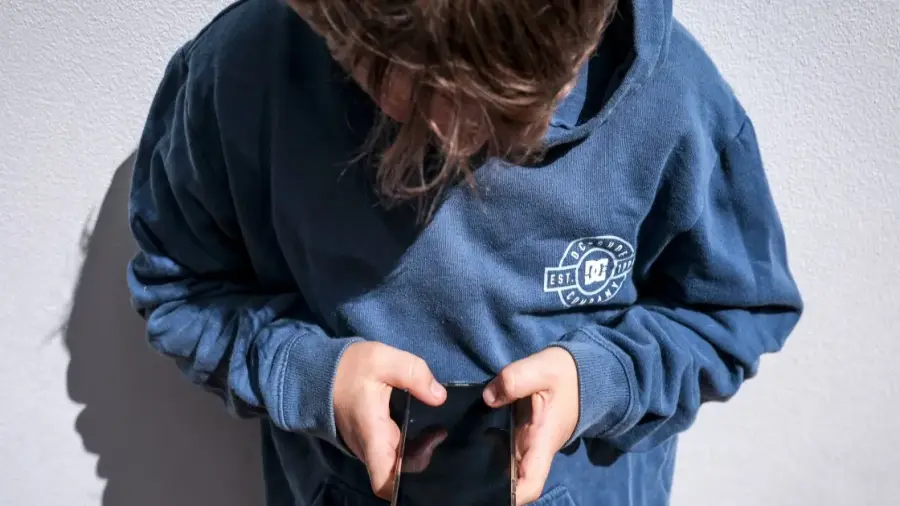
The primary issue is that users are not notified when their public images are utilized for AI creations. Only private accounts and users under the age of 18 are automatically excluded from this feature, meaning anyone with a public profile risks having their images manipulated without their knowledge.
This situation raises concerns about consent, potential misuse, harassment, identity theft, and unauthorized editing of images. Consequently, many users are now looking for ways to safeguard their privacy.
How to Disable the Feature
For those wishing to prevent their photos from being used in this manner, Meta has provided options in the account settings. Users can take steps to manage their privacy effectively.
Reassessing Privacy Settings
As the launch of Muse Image coincides with the growing incorporation of AI tools into social media platforms, experts emphasize the need for stronger privacy protections and greater transparency. Public skepticism towards AI is already high; a Pew Research Center survey revealed that 35% of respondents expressed more concern than enthusiasm regarding the increasing use of artificial intelligence.
Meta's track record with user privacy further fuels this skepticism. The company faced a $5 billion fine from the Federal Trade Commission (FTC) in 2019 for breaking a consent decree related to misleading practices regarding users’ control over their personal information. This was after the Cambridge Analytica scandal, where personal data from up to 87 million Facebook users was improperly accessed. Such incidents have fundamentally altered public perceptions of privacy on social media.
Taking Proactive Measures
Users concerned about their privacy are encouraged to check their Instagram settings promptly. Simple preventive measures, such as disabling content sharing options, can provide basic protection against the unauthorized use of photos.
Additionally, switching to a private account can ensure that photos and content are not available for Muse Image, as Meta automatically excludes private accounts from its database. For business users or content creators relying on public visibility, careful consideration of whether to disable this feature is necessary. While public exposure is vital for growth, the risk of misuse should also be weighed.
Currently, Meta has not issued a formal statement regarding further steps to protect users. However, the existing options in account settings do give users control over their participation in the generative AI ecosystem.
It’s crucial to note that even if users disable this feature, older photos that may have been used previously can still circulate. Therefore, taking preventive measures early on is highly advisable.
This situation serves as a reminder for social media users to be proactive about managing their privacy settings. As new features leveraging user data continue to emerge with advancements in AI technology, understanding how these features work and how to protect privacy will allow users to enjoy the benefits of technology without compromising their personal data security.
Source: https://telset.id/how-to/cara-mudah-hentikan-penggunaan-foto-instagram-di-ai-meta