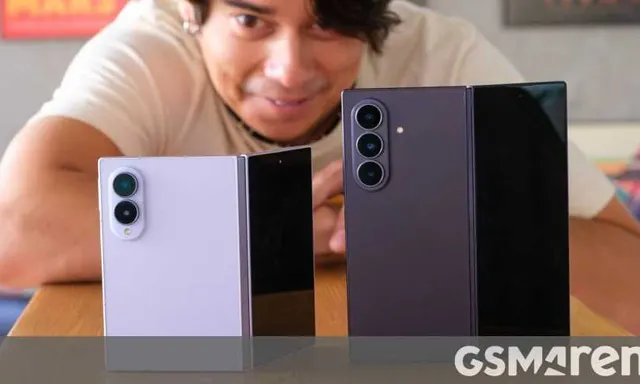
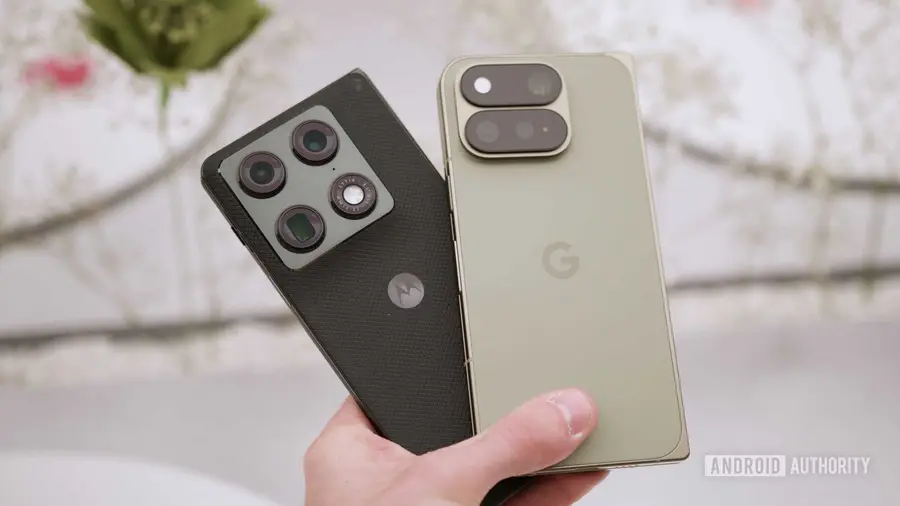
In the competitive world of foldable smartphones, Samsung's Galaxy Z Fold 8 Ultra has long been seen as the benchmark for premium devices. With its impressive specifications, including a 5,000mAh battery and top-tier Snapdragon 8 Elite Gen 5 chip, it certainly stands out as a flagship model. However, when considering real-world usability and comfort, alternatives like the Motorola Razr Fold and Google Pixel 11 Pro Fold are emerging as strong contenders.
Why Samsung's Galaxy Z Fold 8 Ultra Doesn’t Reign Supreme
Despite its impressive hardware, the Galaxy Z Fold 8 Ultra has not found favor with some users. Personal preferences in design and user experience often outweigh raw specifications. For instance, while the Ultra boasts superior performance, many users find the Razr Fold and Pixel 11 Pro Fold more appealing due to their unique features and usability.
Motorola Razr Fold: A Standout in Battery Life and Design
The Motorola Razr Fold surprises with its exceptional battery life, featuring a 6,000mAh capacity that can easily last two days on a single charge. Moreover, the device is equipped with an 8.1-inch screen that is not only the largest but also one of the brightest in the market. Although it is powered by a Snapdragon 8 Gen 5 processor, which is less powerful than its Samsung counterpart, many users find the overall experience more satisfying.
Premium Feel and Unique Features of the Razr Fold
One of the key advantages of the Razr Fold is its design. With a vegan leather back developed in collaboration with Pantone, the device feels luxurious and comfortable in hand. Users have noted that the Razr Fold is more natural to hold compared to the Galaxy Z Fold 8 Ultra, which has a slimmer but less tactile finish. The additional width of the Razr Fold when closed also makes it resemble a traditional smartphone more closely.
Google Pixel 11 Pro Fold: Durability and Magnetic Qi2 Support
On the other hand, the Google Pixel 11 Pro Fold distinguishes itself with features that enhance convenience. It is the only foldable currently available that supports magnetic Qi2, allowing users to easily attach accessories like wallets or stands without the need for a bulky case. This feature, combined with its impressive IP68 certification, makes it a robust choice for users who prioritize durability.
While the Pixel 11 Pro Fold may not compete in raw performance with the Galaxy Z Fold 8 Ultra, its unique selling points—like dust resistance and accessory compatibility—could be more relevant to many consumers. The device's Tensor G6 chip and smaller battery may not match Samsung's specifications, but its overall practicality is noteworthy.
Changing the Foldable Landscape
The introduction of the Galaxy Z Fold 8 Ultra has set a new standard, but it is clear that Motorola and Google are not merely trying to match Samsung's performance. Instead, they are focusing on areas where they can excel—design, battery life, and durability. Both the Razr Fold and Pixel 11 Pro Fold are priced $200 lower than Samsung's flagship, highlighting the value they offer.
In conclusion, while the Galaxy Z Fold 8 Ultra may be the most powerful device on paper, the Motorola Razr Fold and Google Pixel 11 Pro Fold are redefining what consumers look for in a foldable smartphone. Comfort, usability, and unique features are becoming increasingly important, and these alternatives offer compelling reasons to consider them over Samsung's offerings.
Source: https://www.androidauthority.com/motorola-google-foldables-beat-samsung-3704932/