
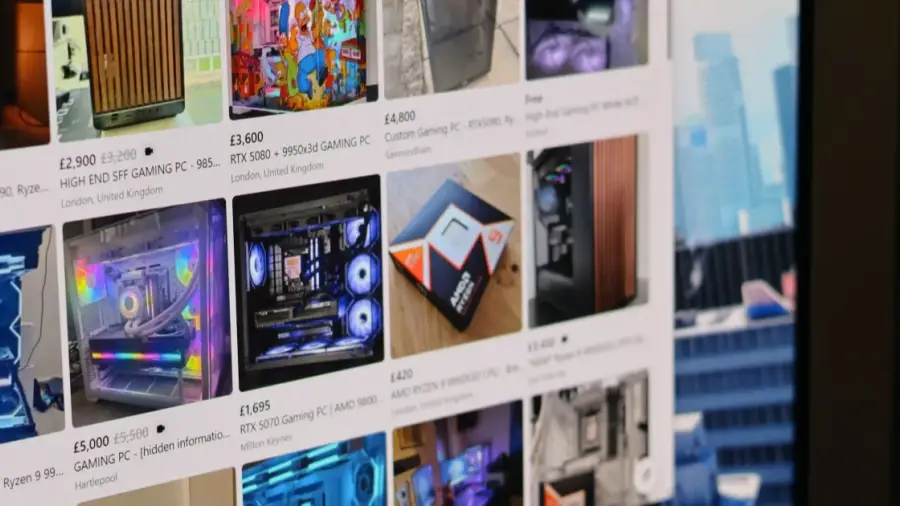
As the prices of new PC components like GPUs, SSDs, and RAM have surged due to the recent AI boom, many consumers are turning to the used market. This shift allows them to upgrade their PCs without spending excessively. However, purchasing used electronics online comes with its own set of risks. From misleading descriptions to outright fraud, the online marketplace can be treacherous. To help you navigate this landscape safely, here are some key points to consider when searching for used PCs, laptops, or components.
Understanding Platform Protections
When using platforms like eBay or Facebook Marketplace, it's crucial to know the protections available to buyers. Familiarizing yourself with the platform's rules can be beneficial if you encounter suspicious listings. For instance, eBay offers a Money Back Guarantee, which protects buyers if items do not arrive or are not as described. Payment methods also play a significant role in your security; credit card payments often provide additional retail protection. If a seller insists on payment via cryptocurrency, wire transfer, or gift cards, it's best to exit the transaction.
Document Everything
Before making a bid, take screenshots of the items you're interested in. Listings can be edited or removed without notice. Pay attention to the details in the listing and the seller's profile, as these can help you assess the risk, particularly if the seller has numerous reviews.
Ask for Proof of Ownership
When buying from a well-known store, you can usually trust the origin of the item. However, this changes when dealing with unknown sellers. If a seller offers an attractive deal, it's reasonable to ask for proof of ownership or authenticity. Legitimate sellers should not mind answering such questions, especially for sought-after items. You don't need their personal information, but knowing when and where they bought the item can help filter out untrustworthy sellers. Additionally, ensure that the product is not linked to the seller's account, such as Apple products associated with an Apple ID.
Assessing Item Condition
Treat every item as if it might be defective unless proven otherwise. Be cautious of listings that explicitly sell items “as is.” Don't hesitate to request further evidence, such as video footage clearly demonstrating the item's functionality. If you're buying in person, ask for a demonstration before finalizing the sale.
Seek Hidden Gems
Popular items like SSDs and RAM attract high demand, leading to inflated prices and potential scams. Dig deeper in your search by looking for specific model numbers or alternative spellings. You might also explore entire rigs for parts. Local listings on platforms like Facebook may have a smaller audience, so set up notifications for relevant keywords and monitor new listings regularly, but don't rush your judgment.
Evaluate Component Risks
Some components are riskier to buy used due to their fragility. CPUs and motherboards are relatively robust, and a physical inspection can reveal damage. RAM is also straightforward to transport. However, graphics cards, particularly modern Nvidia GPUs, require more caution. Used for heavy gaming or crypto mining, these can be problematic. It's essential to conduct a physical check and stability tests.
Consider Direct Purchases with Caution
Direct purchases come with added risks, particularly concerning personal safety. Always avoid agreeing to meet in dark or unsafe locations. Conduct proper due diligence by checking prices and the surrounding area, and never go alone.
Document Your Package Opening
High-value items are sometimes swapped before delivery. When you receive a package, record the unboxing process from the moment you see the parcel. Ensure you capture clear images of the label, providing irrefutable evidence if you are scammed.
Explore Certified Refurbished Options
Buying used doesn't always mean dealing with individual sellers on platforms like eBay or Facebook. Certified refurbished items have been professionally restored, often by the manufacturer, and are sold at a discount. These products usually come in new packaging and have been thoroughly tested. For example, Apple has a dedicated store for certified refurbished products offering discounts of up to 15% off the original price, along with a one-year warranty. However, be cautious with third-party sellers on platforms like Amazon or Walmart, and investigate their reputation thoroughly.
Finding the Right Used Items
Purchasing used goods doesn’t imply that the items are defective or poor quality, but the market can be murky. The guidelines above are not foolproof but serve as a helpful reminder of best practices. Once you acquire an item, rigorously test it. Benchmarking tools can provide insights into the stability of the CPU, GPU, or RAM, as well as the health of the SSD. Vigilance is your best defense. Take your time, and with a bit of luck, you may score an excellent deal.
Source: https://telset.id/how-to/panduan-jual-beli-pc-dan-laptop-bekas-di-2026