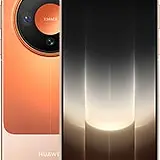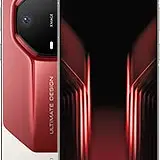
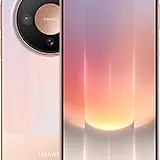
Huawei Mate 90
10/1/2026
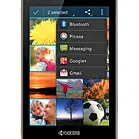
| Identity Brand | Kyocera |
| Identity Model | Kyocera Rise C5155 |
| Launch Announced | 2012, May. Released 2012, August |
| Launch Status | Discontinued |
| Body Dimensions | 113 x 60.5 x 14.3 mm (4.45 x 2.38 x 0.56 in) |
| Body Weight | 158 g (5.57 oz) |
| SIM SIM | Mini-SIM |
| Display Type | IPS LCD |
| Display Size | 3.5 inches, 36.5 cm | 2 | (~53.4% screen-to-body ratio) |
| Display Resolution | 320 x 480 pixels, 3:2 ratio (~165 ppi density) |
| Platform OS | Android 4.0 (Ice Cream Sandwich) |
| Platform Chipset | Qualcomm MSM8655 Snapdragon S2 |
| Memory Internal | 2GB 512MB RAM |
| Camera Rear | Single: 3.15 MP, AF |
| Battery | Removable Li-Ion 1500 mAh battery |
| Network Technology | CDMA / EVDO |
| Network 2G bands | CDMA 800 / 1900 |
| Network 3G bands | CDMA2000 1xEV-DO |
| Network Speed | EV-DO Rev.A 3.1 Mbps |
| Connectivity Network | CDMA / EVDO |
| Connectivity Wireless | Wi-Fi 802.11 b/g/n, hotspot | 2.1, A2DP, EDR | GPS, A-GPS |
| Connectivity USB | microUSB 2.0 |
7/2/2026
Kyocera Rise C5155 merupakan smartphone lawas yang dirilis pada tahun 2012 dengan desain yang cukup kompak dan nyaman digenggam. Layar berukuran 3,5 inci dengan teknologi IPS LCD menawarkan sudut pandang yang baik meskipun resolusinya masih terbatas pada 320 x 480 piksel. Rasio layar 3:2 dan screen-to-body ratio sekitar 53.4% membuat tampilan terlihat cukup proporsional untuk ukuran ponsel pada masanya.
Dari sisi performa, Kyocera Rise C5155 dibekali chipset Qualcomm MSM8655 Snapdragon S2 yang dipadukan dengan RAM 512MB dan memori internal 2GB. Sistem operasi Android 4.0 Ice Cream Sandwich yang digunakan cukup ringan, mendukung kebutuhan dasar pengguna seperti browsing, sosial media, dan aplikasi ringan lainnya. Namun, dengan spesifikasi ini, smartphone ini kurang ideal untuk menjalankan aplikasi atau game berat masa kini.
Untuk urusan fotografi, Kyocera Rise hadir dengan kamera belakang 3.15 MP yang sudah dilengkapi autofocus. Meski kualitas kameranya sederhana dan tidak didukung kamera depan, fitur ini cukup untuk menangkap momen sehari-hari dengan hasil yang standar.
Baterai removable Li-Ion berkapasitas 1500 mAh menjadi salah satu keunggulan Kyocera Rise yang memungkinkan pengguna mengganti baterai dengan mudah ketika daya mulai menurun. Kapasitas ini cukup untuk penggunaan ringan seharian, terutama dengan layar kecil dan performa yang tidak terlalu menuntut daya besar. Untuk pengisian daya, Kyocera Rise menggunakan port microUSB 2.0 yang sudah cukup umum.
Dari sisi konektivitas, smartphone ini mendukung jaringan CDMA/EVDO dengan kecepatan hingga 3.1 Mbps, Wi-Fi b/g/n, hotspot, Bluetooth 2.1, dan GPS/A-GPS yang memudahkan navigasi. Meski tidak mendukung jaringan 4G, fitur-fitur tersebut sudah cukup membantu kebutuhan komunikasi dan internet dasar.
Cocok untuk: pengguna yang membutuhkan smartphone sederhana dengan layar yang nyaman dan baterai yang mudah diganti, serta mereka yang masih menggunakan jaringan CDMA dan mengutamakan fungsi dasar tanpa kebutuhan aplikasi berat.
New Gadget