The recent leaks surrounding the Samsung Galaxy S27 Ultra have stirred significant discussion among tech enthusiasts and industry watchers. Initial renders reveal a striking horizontal camera bar on the back of the smartphone, a notable departure from the individual lens design Samsung has utilized for years. This change not only marks a visual shift but also bears a strong resemblance to a certain flagship device from Apple.
Design Evolution or Imitation?
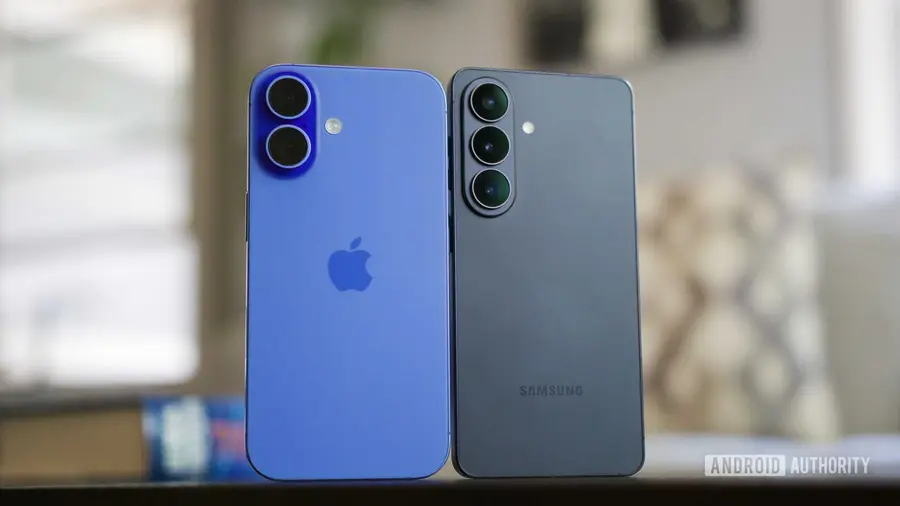
For years, Samsung has faced criticism for its conservative approach to smartphone design, often delivering incremental updates rather than groundbreaking innovations. However, the new design direction seems to be less about innovation and more about mirroring Apple's established aesthetic. Many observers find it hard to overlook how closely the Galaxy S27 Ultra's design aligns with that of the iPhone.
Community Reactions to the New Look
The initial community response to the leaked designs has been predictably mixed. Some view the new look as a cheap imitation of the iPhone, akin to what one might expect from lesser-known smartphone manufacturers. This sentiment is not unfounded; even prominent Android brands like OPPO and Vivo have successfully carved out their unique identities, making Samsung's choice to adopt such a similar design all the more perplexing.
The Loss of Samsung's Unique Identity
Samsung has spent years cultivating a recognizable and minimalist design language. The shift to a pronounced camera plateau risks undermining the brand’s visual identity that has made the Galaxy series stand out. While design may seem superficial, it plays a crucial role in consumer recognition and sales. The iPhone is instantly recognizable, whereas many Android models, including those from Xiaomi, can appear indistinguishable from one another at a glance.
The Practical Implications of Design Change
Critics of the previous Galaxy S26 Ultra design pointed out that the raised lens configuration hindered the use of magnetic accessories, which became increasingly popular. This limitation likely prompted Samsung to rethink the back of the phone to accommodate features like native Qi2 support and magnetic charging. However, this does not justify an exact replication of Apple’s design choices, especially when alternatives exist that do not mimic the iPhone’s appearance.
A Trend of Following Apple's Lead
The redesign of the Galaxy S27 Ultra appears to be part of a broader trend where Samsung seems to follow Apple’s lead rather than forge its own path. For instance, when Apple hinted at a thinner iPhone, leaks soon emerged about Samsung developing its own slim model. Similarly, Apple’s exploration of wider aspect ratios in foldable devices coincided with Samsung’s adjustments to its own foldable designs.
Concerns About Originality in the Industry
This pattern raises critical questions about Samsung's originality and innovation. Has the company lost its innovative edge, or is it simply attempting to preemptively match Apple’s moves in the market? Samsung has a history of pioneering significant smartphone advancements, such as the introduction of the phablet and curved displays. Today, however, the company appears hesitant to take risks, particularly with its flagship devices.
Impact on the Android Ecosystem
This trend is not limited to Samsung; the entire Android ecosystem seems to be experiencing a crisis of identity. Many Android manufacturers are attempting to attract iPhone users by stripping away the unique features that once distinguished Android devices. This shift risks diluting the diversity and boldness that characterized the platform.
The Future of Samsung and Innovation
While Samsung could deliver a highly functional Galaxy S27 Ultra with excellent performance and features, the potential resemblance to the iPhone raises concerns. A Samsung that simply imitates Apple may alienate the dedicated user base that helped establish the Galaxy brand. The hope among many consumers is for Samsung to reclaim its role as an industry innovator, pushing boundaries rather than following trends.
Source: https://www.androidauthority.com/samsung-turning-into-apple-3703140/