In recent times, the cost of upgrading internal storage on flagship smartphones has surged to unreasonable levels. Users are now facing price increases of 30% to 36% merely to enhance their storage capacity, a recurring expense every time they purchase a new device.
This trend has caught the attention of tech enthusiasts. Tom Pritchard, UK Phones Editor at Tom’s Guide, has labeled the practice of paying for storage upgrades repeatedly as a "total scam." Unlike microSD cards, which can be transferred to new devices, the money spent on internal storage is non-transferable.
Why Are Storage Costs Rising?
The spike in prices is not happening in a vacuum. The phenomenon dubbed “RAMageddon” has affected not only RAM costs but also storage prices. The soaring demand for storage chips from AI data centers has strained supply, resulting in increased production costs. This impact is becoming evident with the leaked pricing of the latest flagship smartphones.
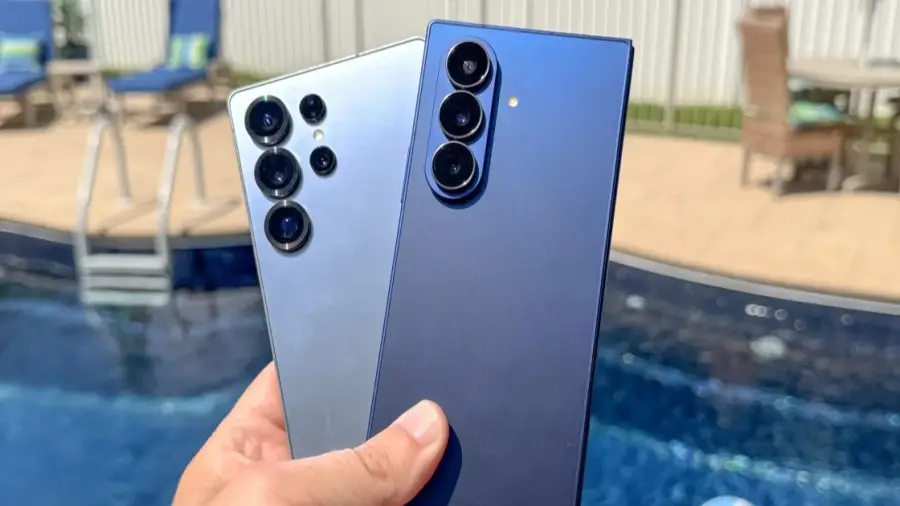
For instance, leaks indicate that the Samsung Galaxy Z Fold 8 Ultra in Europe could see an increase of up to €280 for the 1TB model. Meanwhile, the 256GB and 512GB variants are expected to rise by €100 and €180, respectively. Although the Pixel 11 Pro XL is experiencing a more modest increase of €100 across all models, the trend suggests that high-storage smartphones will continue to become more expensive.
Comparing Upgrade Costs Across Flagships
To illustrate the growing costs, here’s a comparison of storage upgrade prices for some of the latest flagship phones:
- Google Pixel 10 Pro: Starting price of $999 (128GB) increases to $1,099 (256GB), $1,219 (512GB), and $1,449 (1TB). This represents a 45% increase from the base model to 1TB.
- Apple iPhone 17 Pro: The base price of $1,099 (256GB) rises to $1,299 (512GB) and $1,499 (1TB), marking a 36% increase from the base to the 1TB model.
Additionally, the situation is exacerbated by some manufacturers opting to reduce RAM on lower storage variants. This forces consumers to pay more for higher-spec models, which include both RAM and storage cost increases, further straining budgets for those seeking optimal performance.
Alternative Solutions to High Storage Costs
Despite the gloomy outlook, several strategies can help avoid hefty expenses for smartphone storage. Here are three main approaches to consider:
- Utilize Cloud Storage: The most straightforward option is to leverage cloud storage services. Users can offload photos, videos, and essential files to cloud servers. However, this solution often comes with ongoing subscription fees, and users need to manage their cloud space actively to avoid reaching capacity.
- Use Local External Storage: Another alternative is to transfer files to local storage solutions like external hard drives or network-attached storage (NAS). While this may be less convenient for quick access on the go, it is significantly more cost-effective in the long run compared to purchasing expensive high-storage smartphones or cloud subscriptions. Some portable hard drives even support MagSafe, allowing easy attachment to the back of smartphones.
- Optimize Phone Usage: A more traditional approach involves opting for a smartphone with lower base storage and managing to keep it from filling up too quickly. This can be achieved by:
- Minimizing unnecessary app installations.
- Shooting photos at lower resolutions.
- Regularly clearing out downloads and junk files.
However, this strategy is becoming increasingly challenging as many companies phase out 128GB models, making 256GB versions the new entry-level option at a higher price point. Pritchard himself expressed a preference for more manufacturers to follow Apple’s lead in increasing base storage for the iPhone 17 without raising prices.
The Future Impact of RAMageddon on Smartphones
The RAMageddon phenomenon affects not just RAM prices but also storage costs. The high demand for chips from AI data centers is tightening supply, driving up component prices. Consequently, the production costs for flagship smartphones are rising, and these costs are ultimately passed on to consumers.
Some analysts warn that flagship prices, including the upcoming iPhone 18, could increase more significantly than previously anticipated. This reality makes the decision to invest in high-storage smartphones increasingly unattractive financially.
As prices continue to rise, consumers must manage their budgets wisely and select storage strategies that best suit their needs. Relying on local or cloud storage may be a more prudent choice amidst the current component price fluctuations.
Source: https://telset.id/how-to/biaya-upgrade-penyimpanan-hp-makin-mahal-begini-solusi-cerdasnya