
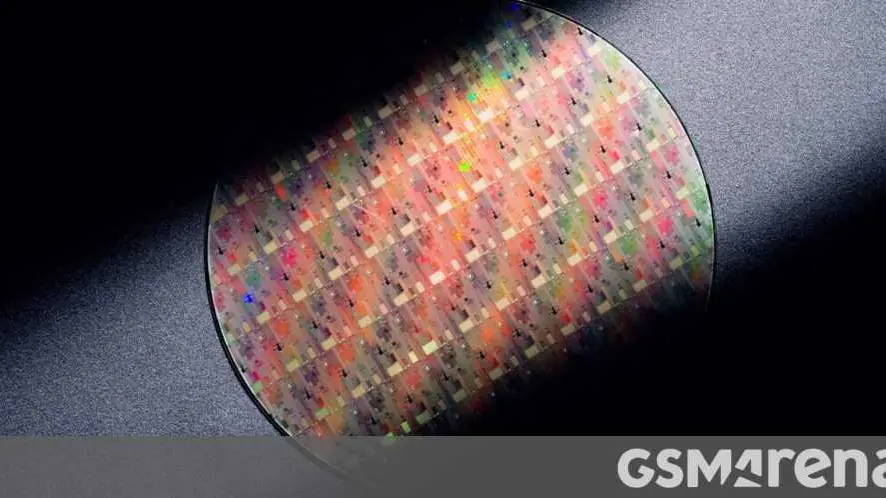
The semiconductor industry is bracing for another wave of price increases, with TSMC announcing plans to boost prices by up to 10% starting in 2027. This move is expected to have considerable implications for major clients, including Nvidia, Apple, Qualcomm, AMD, and Intel, as well as for end consumers who purchase devices powered by these chips.
Details of the Price Increase
According to a report from Nikkei Asia, TSMC's price hike will vary based on the specific type of chip and the purchasing company. Advanced nodes are set to see increases ranging from 5% to 10%, which will undoubtedly affect the cost of chipsets used in future smartphones and other devices such as tablets, laptops, and smartwatches.
Impact on Various Chip Technologies
This price increase is not limited to cutting-edge technologies like the forthcoming 2nm chips, such as Google's Tensor G11. Even more mature nodes, including 12nm, 16nm, and 28nm technologies, will also incur price hikes of up to 10%. This broad scope of the increase suggests that the ramifications will be felt across a wide range of consumer electronics.
Reasons Behind the Increase
TSMC attributes this price adjustment to the rising costs associated with materials and manufacturing equipment, as well as the expenses related to constructing new chip fabrication facilities outside of Taiwan. As the global demand for semiconductor products continues to soar, these increased costs may become unavoidable for manufacturers and their customers.
Industry Responses and Future Implications
The upcoming price rises have prompted major companies to reconsider their supply chain strategies. For instance, Apple is reportedly exploring options to diversify its chip production, engaging in discussions with both Intel and Samsung. Meanwhile, Intel aims to shift a significant portion of its compute tile production for Nova Lake CPUs in-house, with plans to produce 80%-90% of these chips on its 18A process node. Previously, a substantial percentage of these tiles was to be fabricated by TSMC.
As for Qualcomm, the company is contemplating a return to Samsung for its chip production needs, indicating a potential shift in partnerships as firms respond to the changing landscape of chip pricing.
The anticipated impact of TSMC's price increases will likely take some time to manifest in consumer products, as the adjustments will be implemented at the beginning of 2027. However, stakeholders across the semiconductor ecosystem are already preparing for the repercussions of these upcoming changes.
Source: https://www.gsmarena.com/report_tsmc_is_planning_to_raise_chip_prices_in_2027-news-73814.php