For a long time, I was a loyal user of the WHOOP fitness tracker, convinced that it was the best option for my needs. Despite the appealing price of the Fitbit Air, I resisted switching. However, my curiosity got the better of me, and after three weeks of using the Fitbit Air, my perspective has dramatically shifted.
Initial Impressions of the Fitbit Air
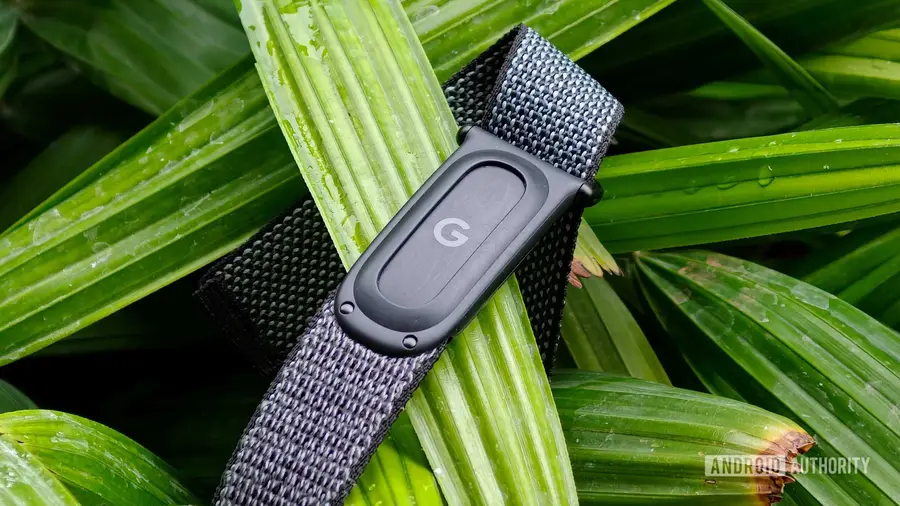
The first thing that struck me about the Fitbit Air was its lightweight design. We often overlook how bulky fitness trackers can be, and having worn several smartwatches, I remembered how tiring they could be over extended periods. The Galaxy Watch Ultra, for example, weighs about 61g, which can become cumbersome. In contrast, the Fitbit Air weighs only 12g, making it feel almost nonexistent on my wrist. This lightness is one of its standout features.
Size Matters
Not only is the Fitbit Air lighter, but it also has a smaller form factor compared to the WHOOP MG. The tracker is nearly half the size, which makes it more comfortable to wear throughout the day and even while sleeping. While that may seem like a minor detail, for those of us who wear trackers continuously, it plays a significant role in the overall experience.
Battery Life Surprises
Battery life was another area where I expected to be disappointed. Google claims the Fitbit Air can last up to a week on a single charge, but I was pleasantly surprised to see it exceed eight days, even while tracking workouts and sleep regularly. This level of performance is not something I typically associate with Google products, so it was a refreshing change.
App Experience: A New Perspective
Perhaps the most surprising aspect of my experience has been the Google Health app. Previously, I had been accustomed to the WHOOP app, which floods users with data. However, the Google Health app provides a concise overview of daily activity, allowing users to grasp their health status quickly. It generates AI-driven summaries that contextualize the data, making it more relatable and useful for everyday users.
In addition, Google Health sends out regular reminders and insights throughout the day, something I found particularly beneficial. The WHOOP app lacks this feature, and I have come to appreciate these gentle nudges from Google Health.
Tracking Accuracy Improvements
Early on, I had concerns about the tracking accuracy of the Fitbit Air. My first week was rocky, with missed sleep sessions and unreliable workout tracking. However, after three weeks of consistent use, the performance has improved significantly. The tracker seems to have calibrated itself to my body, and I now find its tracking capabilities to be quite satisfactory, although WHOOP still leads in precision.
Cost Considerations
It’s essential to consider the costs associated with the Fitbit Air. While the tracker itself is priced at $99, accessing comprehensive health insights requires a Google Health subscription, which is $10 per month or $100 annually. However, the value it adds, especially with the AI summaries and nudges, makes it worthwhile for many users.
If you’re already subscribed to other Google AI services, you may find that Google Health Premium is included at no additional cost, enhancing its overall value.
Final Thoughts
Ultimately, the Fitbit Air has won me over. For serious athletes who rely heavily on detailed analytics, WHOOP might still be the better option. However, for the average user, the Fitbit Air provides an excellent balance of functionality and comfort at an attractive price point. Given the continuous improvements since its launch, I am optimistic about making the switch to Fitbit Air full-time in the near future.
Source: https://www.androidauthority.com/i-couldnt-have-been-more-wrong-about-the-fitbit-air-3685038/