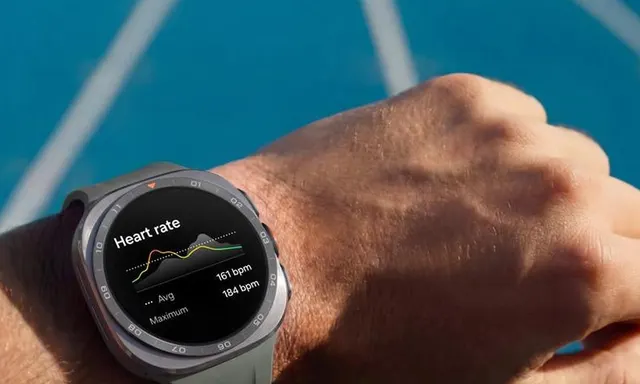
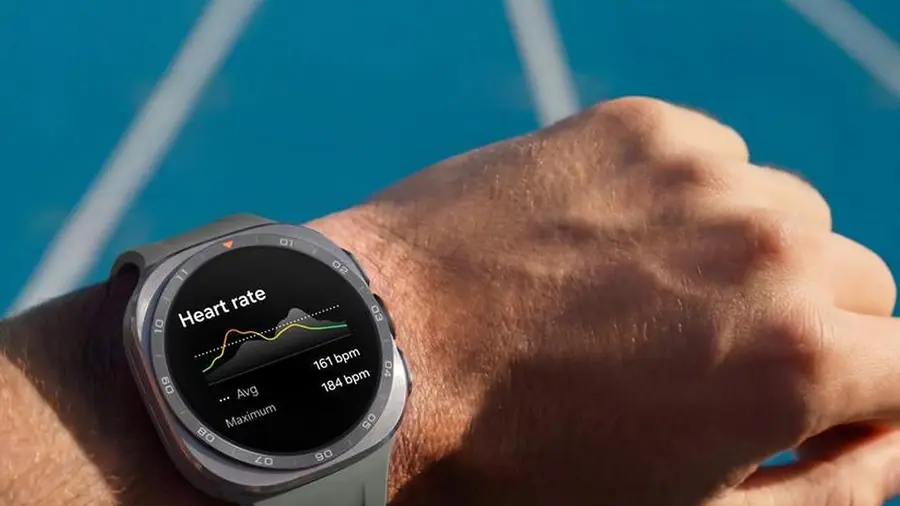
Samsung has introduced the Galaxy Watch9 and Galaxy Watch Ultra2, smartwatches designed to assist users in better understanding their heart health. These devices are equipped with the Heart Health Score feature available in Samsung Health, which consolidates various health indicators to provide a comprehensive overview of an individual's cardiovascular wellness.
Understanding the Heart Health Score
The Heart Health Score is an innovative tool that summarizes essential health data, including sleep patterns, physical activity, vascular load, and body mass index (BMI). This feature enables users to identify habits that may need improvement without the hassle of analyzing multiple health metrics separately.
Key Indicators for Heart Health
This scoring system is based on four primary indicators:
- 7-day Sleep Time Average: This measures the average duration of sleep over the past week, helping users gauge their rest patterns.
- 7-day Moderate to Vigorous Activity: This tracks physical activities of moderate to high intensity, such as brisk walking, cycling, or running, over a week.
- Vascular Load: This indicator reflects the load on the vascular system compared to a user’s baseline health condition.
- Body Mass Index (BMI): This metric illustrates the relationship between weight and height.
By analyzing these indicators, Samsung Health empowers users to comprehend their health patterns and offers insights for adopting healthier habits.
Trends Over Time
Interestingly, the Heart Health Score does not merely provide daily numbers. Samsung Health also features trend graphs over a seven-day period. This allows users to observe their score changes over time, rather than focusing solely on a single day’s results. For example, an individual who exercises regularly but often lacks sleep can compare these two indicators, facilitating a deeper understanding of their habits.
Additional Health Monitoring Features
One significant indicator is Vascular Load, which reveals changes in vascular load relative to the user's baseline condition. Samsung Health offers explanations to help users interpret these changes effectively. Additionally, users can measure their body composition with the Body Composition feature on the Galaxy Watch9 and Galaxy Watch Ultra2. To use this feature, simply open Body Composition on the smartwatch and follow the on-screen instructions for about 30 seconds.
It’s important to note that while the Heart Health Score and Vascular Load features provide valuable health insights, they are not diagnostic tools for heart diseases. Availability may vary based on region and software.
Through the Heart Health Score, the Galaxy Watch9 and Galaxy Watch Ultra2 do more than just track activities or heart rates; they help users understand the connections between sleep, exercise, and overall health. This information serves as a reminder to improve rest patterns, increase physical activity, and maintain healthy habits consistently.
For those interested in acquiring these smartwatches, the Samsung Galaxy Watch9 is available in Indonesia starting at IDR 5,999,000, while the Galaxy Watch Ultra2 is priced at IDR 10,499,000. With their array of health monitoring features, these smartwatches can be excellent companions in fostering a healthier, more measured lifestyle.
Source: https://inet.detik.com/consumer/d-8715173/galaxy-watch9-dan-ultra2-bisa-pantau-kesehatan-jantung-begini-caranya