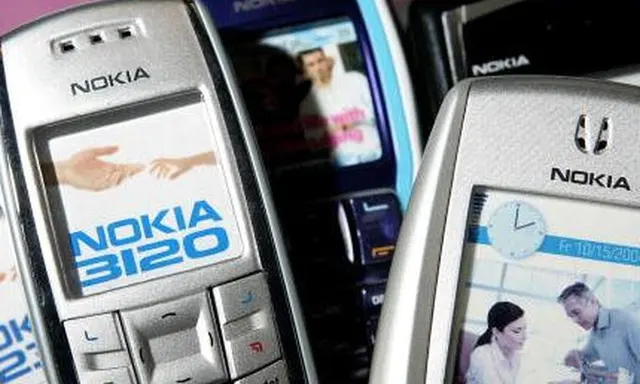
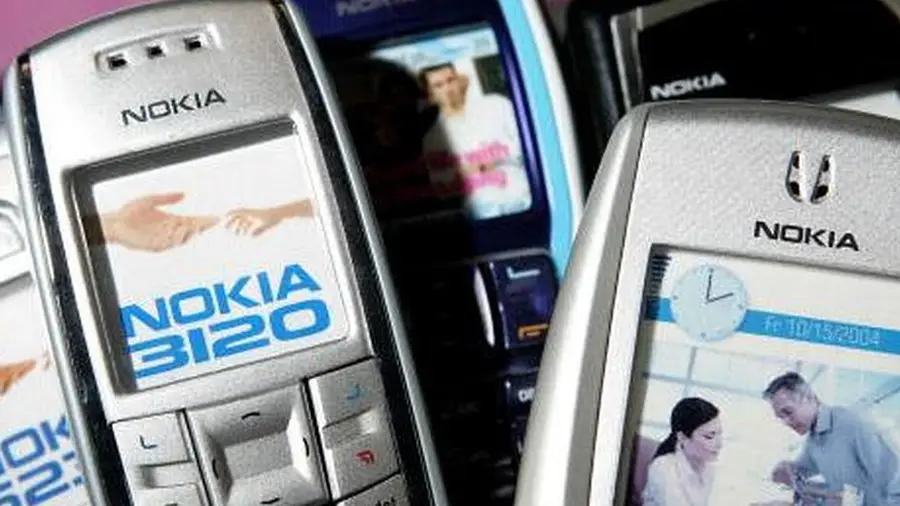
Nokia once stood as the king of mobile phones, dominating the market before facing a dramatic decline. Today, the Nokia brand, now managed by HMD Global, struggles to capture consumer interest as it once did. The reasons behind Nokia's downfall, including its sale to Microsoft for approximately $7 billion in 2014, continue to fascinate analysts and tech enthusiasts alike.
Early Success and Market Dominance
Nokia launched its first mobile phone in 1987 and achieved a remarkable milestone in 1998 by surpassing Motorola as the market leader. By 2005, the company had sold its one billionth device, marking a historic point in its journey. The peak of Nokia's success came around 2007 when it held a staggering 40% market share, including nearly half of the smartphone segment, with a market capitalization of $150 billion.
Challenges from Competitors
However, the landscape began to shift in the 2010s as the iPhone and a wave of Android smartphones entered the market. One critical factor contributing to Nokia's decline was its stagnation in software innovation. As noted by BBC, while Nokia excelled in hardware, it failed to recognize the growing importance of software:
- Nokia was a hardware company, strong in manufacturing but not in software development.
- The rise of Apple's touchscreen technology changed user interactions with mobile devices.
- Android smartphones capitalized on seamless software experiences that attracted consumers.
Stagnation in Software Innovation
The development processes at Nokia were heavily influenced by hardware engineers, often sidelining software experts. In contrast, Apple’s executives viewed both hardware and software as equally important, enhancing the overall user experience. This disparity ultimately resulted in Nokia's inability to adapt to the evolving market demands.
Overconfidence and Missed Opportunities
Nokia's overconfidence in its brand strength also played a pivotal role in its decline. After enjoying years of dominance, the company became complacent, underestimating the competitive threat posed by newer entrants. The New Yorker highlights that Nokia believed it could quickly catch up to the smartphone revolution despite entering late:
- Nokia overvalued its brand's legacy and underestimated the shift in consumer preferences.
- Even after the iPhone’s launch, Nokia insisted that superior hardware design would attract users.
- This belief proved misguided as consumers sought integrated experiences rather than just hardware specs.
In conclusion, Nokia's story serves as a compelling lesson in the tech industry. It highlights the importance of innovation in software and the risks of complacency in a rapidly changing market. As HMD Global continues to market Nokia devices today, the challenges of reinvigorating a once-great brand remain significant.
Source: https://inet.detik.com/consumer/d-8676513/kesalahan-nokia-yang-membuat-sang-raja-ponsel-tumbang