
Gadget and Console Price Increases: The Impact of the RAM Crisis Haunting Consumers
In the world of technology, there has long been a belief among consumers: the prices of older electronic devices will continue to decline over time. However, this rule now seems to be undergoing a dramatic change. Technology giants, from Apple to game console manufacturers like Microsoft and Nintendo, are collectively raising the prices of their older devices, which is certainly shaking gadget enthusiasts.
Main Cause: Soaring Component Costs
One of the primary reasons behind these price increases is the soaring cost of key components needed to produce devices. Industry leaders point to rising demand as the main cause, especially related to artificial intelligence (AI). According to a report from detikINET citing the BBC, the need for data centers that support AI operations has triggered a surge in demand for semiconductor components, including RAM and other chips.
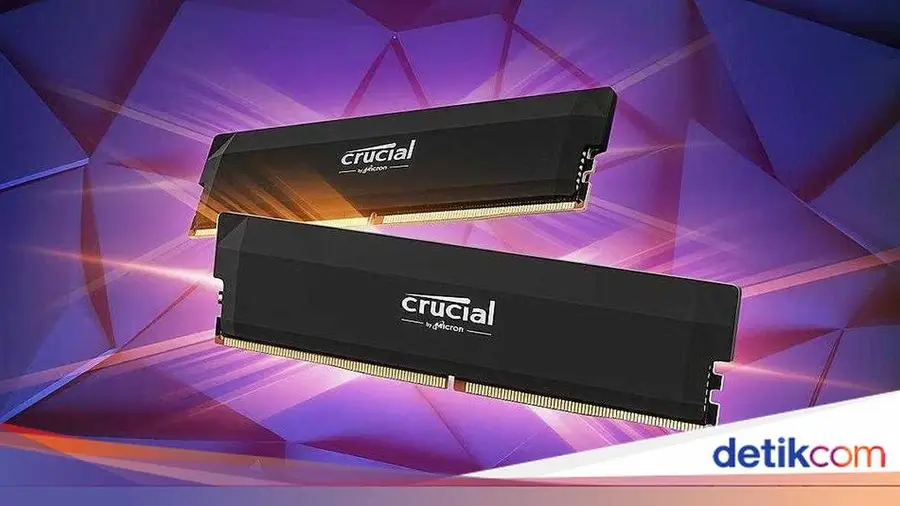
In this context, many have started calling this phenomenon "Ramageddon." This term refers to the Random Access Memory (RAM) supply crisis, which was once a readily available and affordable component. Now, prices have skyrocketed, making it difficult for consumers to obtain the devices they want.
Market Demand Outstripping Supply
Data shows that large data centers built to support AI needs require an enormous number of chips. This demand far exceeds the available supply. Danni Hewson, Head of Financial Analysis at AJ Bell, explains that the race to build AI data centers has caused a rapid surge in demand, which in turn has given chip manufacturers the opportunity to raise prices.
- DRAM chips (short-term memory) and NAND flash (long-term memory) have seen significant price increases.
- The development of AI data centers by major companies has led them to prioritize chip orders over consumer electronics products.
- As a result, consumer-used MacBook laptops now compete for the same DRAM supply as data centers supporting AI applications like ChatGPT.
Future Projections and Inflation Impact
Analysts predict that the four largest technology giants in the US will spend hundreds of billions of dollars on data centers and AI equipment by 2026. This massive scale of purchasing affects production policies, causing chip manufacturers to prefer fulfilling orders from large companies over ordinary consumers.
James Bull, a senior technology analyst from RSM UK, emphasizes that consumers are currently at a disadvantage. "The MacBook laptops on consumers' desks today are competing for the same DRAM chips as the data centers powering ChatGPT, and consumers are losing," he said.
Moreover, this situation is worsened by inflation affecting various sectors and ongoing geopolitical issues. For example, when Sony decided to raise the price of the PS5, they highlighted the continued pressures in the global economic landscape impacting production and distribution costs.
Conclusion: What Can Consumers Do?
With more technology products experiencing price increases, consumers are now required to be wiser in choosing the devices they purchase. It is important to always monitor price trends and consider needs carefully before deciding to invest in new gadgets. While waiting for the situation to improve, it might be a good time to consider more affordable device options or wait until prices stabilize.
With the constantly changing conditions, the gadget world will always present new challenges for consumers. Let’s stay alert and prudent in making decisions!
Source: https://inet.detik.com/consumer/d-8553235/deretan-kenaikan-harga-gadget-dan-konsol-gegara-krisis-ram