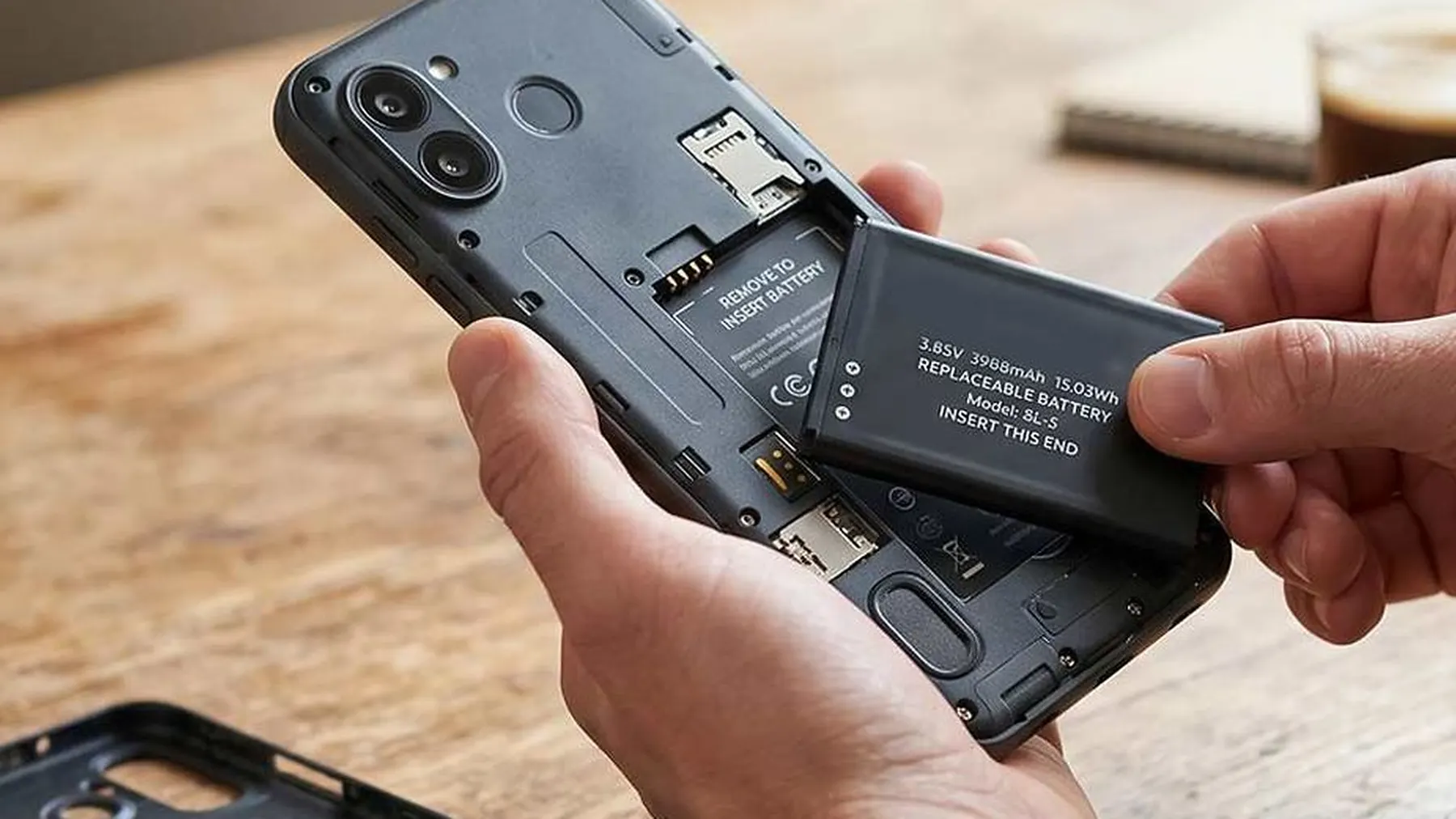
Have you noticed that many modern smartphones no longer come with removable batteries? If you've been using smartphones for the last decade, you might not even remember the last time you had a phone with a battery you could easily take out. In the past, removing and replacing a battery was a straightforward task, but that has changed significantly.
The Shift from Removable to Non-Removable Batteries
Approximately 10 to 15 years ago, removable batteries were the norm in mobile devices. Consumers could easily pop off the back cover, swap out a drained battery for a fresh one, and continue using their phone without any downtime. However, today’s devices have largely moved away from this design.
Cost Considerations for Manufacturers
One of the primary reasons manufacturers have shifted to non-removable batteries is cost. Consumers increasingly desire smartphones that are sleek, made from premium materials like aluminum or glass, and packed with advanced features such as wireless charging capabilities and high-resolution cameras. However, all these demands pose challenges when trying to incorporate a removable battery.
To design a phone with a replaceable battery, manufacturers need to include a removable back cover, connectors that can withstand multiple insertions and removals, and additional space for locking mechanisms. These requirements complicate production and increase costs. By sealing the battery inside, companies can utilize more durable materials and create thinner devices while also maintaining competitive pricing.
Benefits of Sealed Batteries
One of the most significant advantages of having a non-removable battery is enhanced water resistance. When a phone is constructed without seams or hinges that allow access to the battery, it becomes much harder for water to penetrate. This design feature has enabled many modern smartphones to achieve high water resistance ratings, a feat that was virtually impossible with removable battery designs.
In the past, dropping a phone in water often meant certain damage, but flagship models today can often withstand accidental drops into sinks or exposure to rain without failing. This is largely due to the unibody design that non-removable batteries enable.
Security Enhancements
Another benefit of integrated batteries is improved security. With a sealed battery, it becomes more difficult for unauthorized users to tamper with the internal components of the phone. This design can help protect sensitive information and enhance overall device security, making it a favored choice for many manufacturers.
In conclusion, while removable batteries offered convenience in the past, the modern smartphone landscape has shifted towards non-removable designs due to cost efficiency, enhanced durability, water resistance, and improved security. These changes reflect the evolving demands of consumers and the technological advancements in smartphone design.
Source: https://tekno.kompas.com/read/2026/07/19/10010087/kok-baterai-hp-sekarang-tak-bisa-dilepas-sendiri-ini-3-alasannya