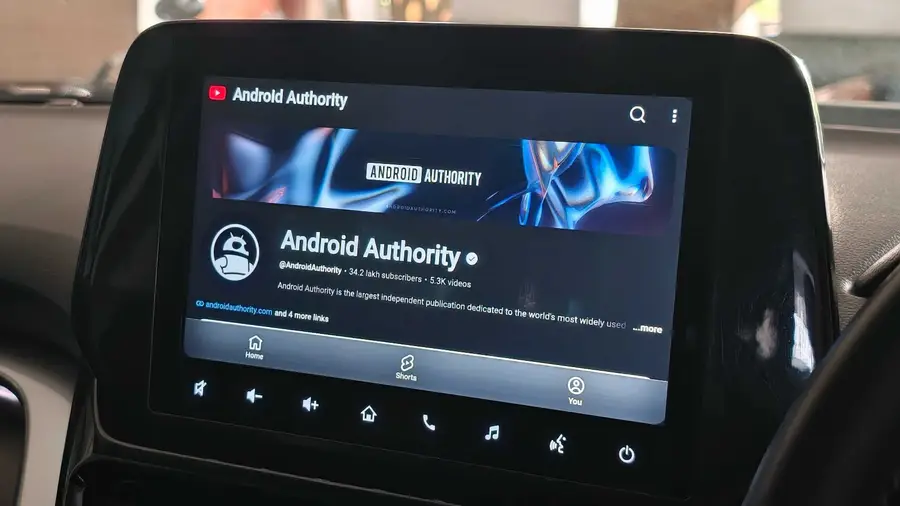
As a devoted Android user, I was eager to try Android Auto when I purchased a new car in 2019. However, my initial experience with the platform left much to be desired. I found it buggy and inflexible, leading me to prefer my car's built-in infotainment system. Fast forward seven years, and I decided to give Android Auto another go to see if my opinion had changed.
Expectations vs. Reality
With many updates and features added over the years, I hoped Android Auto would offer a smoother experience. Unfortunately, my expectations did not align with reality. I still found several aspects of its operation frustrating, particularly when it came to navigation.
Navigation Woes
Navigation is a primary reason many users turn to Android Auto, so I began my testing with Google Maps. I wanted to see if it outperformed my car's built-in navigation. To my dismay, it did not. One significant drawback was that Google Maps couldn't interface with my car's head-up display (HUD). This meant I had to divert my attention from the road to check the main screen for directions. My car's built-in system, which displays turn-by-turn navigation in the HUD, made this a frustrating change.
Additionally, my car has a feature that reads road signs and displays the speed limit. This useful function ceased to work when I switched to Android Auto, which diminished my driving experience. I also tried using HERE WeGo, an alternative mapping app, only to encounter the same issue. After just thirty minutes of using Android Auto, my Pixel 9a became uncomfortably hot, further detracting from the experience.
App Overload
While navigation is critical, Android Auto offers access to various apps. However, I found the app selection overwhelming and unnecessary. The app launcher presented options like Weather, Calendar, Google News, and WhatsApp, but I prefer not to engage with any of these while driving. For me, driving is a chance to disconnect, focus on the road, and enjoy music without distractions. My car's infotainment system provides everything I need without the added noise that Android Auto brings.
Who Is Android Auto For?
Despite my challenges with Android Auto, I recognize it may cater to a different user demographic. For those who thrive on constant connectivity, Android Auto could be a valuable tool. It allows users to receive messages audibly, make calls easily, and stay engaged while driving—features that many find beneficial. However, I fall into the camp of those who prefer less distraction and more mindfulness on the road.
What I Appreciate About Android Auto
Even though I encountered numerous frustrations, there are still aspects of Android Auto that I appreciate. For starters, the app provides access to updated maps, which is a significant advantage over my car’s outdated navigation system. Updating my car’s maps is a costly and complex process, making the real-time updates from Android Auto appealing.
Moreover, I enjoy the enhanced control over music streaming through apps like Spotify. While my car's Bluetooth connectivity limits me to basic commands, Spotify integration allows me to switch playlists and access podcasts effortlessly. Finally, the split-screen feature that displays both maps and music simultaneously is a nice touch, even if it’s not a deal-breaker for me.
Final Thoughts
So, what’s the verdict on Android Auto? For users who appreciate connectivity and multitasking while driving, it can be a great asset. However, for those like me who prefer a more straightforward approach with minimal distractions, the built-in infotainment system remains the superior choice. I’d love to hear your thoughts: do you find Android Auto beneficial, or do you see it as a distraction while driving?
Source: https://www.androidauthority.com/tried-android-auto-again-3692293/