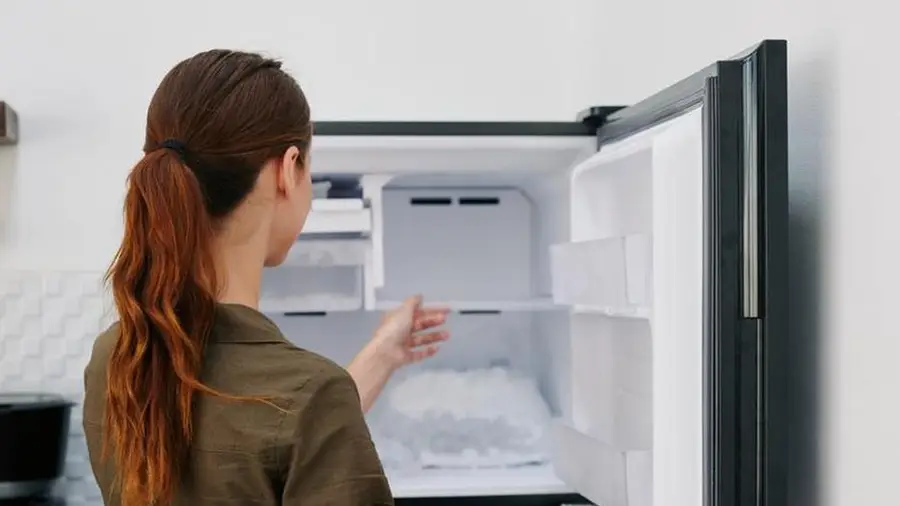
As extreme heatwaves grip many countries, including the UK, the soaring temperatures are leading to a surge in electronic device overheating. Some residents have resorted to a risky method of cooling their smartphones and tablets by placing them in refrigerators or freezers. However, this shortcut can lead to significant damage rather than relief.
Risks of Refrigerating Electronics
According to Jamie Farnell, a repair shop owner in Wem, England, his business has seen an influx of customers bringing in devices damaged by moisture from cold temperatures. The condensation that forms when hot devices are introduced to a cold environment can wreak havoc on the internal components. Farnell noted a particularly alarming case where an iPad exploded after being brought in with a swollen battery, highlighting the dangers of this common practice.
The Science Behind Condensation
For many, placing a overheating phone in a cold environment seems like a logical solution, especially when faced with high-temperature warnings. However, this method can lead to serious issues. When a warm device is placed in a cold space, the humid air trapped around it cools rapidly, causing water vapor to condense on the phone's surface, charging ports, and speakers. When the device is then returned to room temperature, new condensation forms, leading to potential corrosion and electrical shorts.
Thermal Shock and Other Dangers
In addition to condensation, thermal shock is a significant risk. Sudden changes in temperature can create stress on the device, resulting in cracked screens, damaged seals, and even permanent battery failure. This phenomenon is reminiscent of an old myth that encouraged users to submerge wet phones in rice—a method that has been debunked for its ineffectiveness in actually drying out devices.
Expert Recommendations
Tech giants like Apple and Samsung have issued clear guidelines on how to handle overheating devices. Instead of resorting to drastic measures like refrigeration, users should allow their devices to cool down naturally. This involves turning off the screen, removing any cases, and placing the device in a cooler environment away from direct sunlight and with good air circulation.
In conclusion, while it may be tempting to find quick fixes for overheating devices during a heatwave, it's essential to avoid methods like putting phones in the refrigerator. Adopting safer practices will help prevent costly repairs and extend the lifespan of your devices.
Source: https://inet.detik.com/consumer/d-8577456/suhu-panas-menyengat-jangan-masukkan-hp-ke-dalam-kulkas-ya