
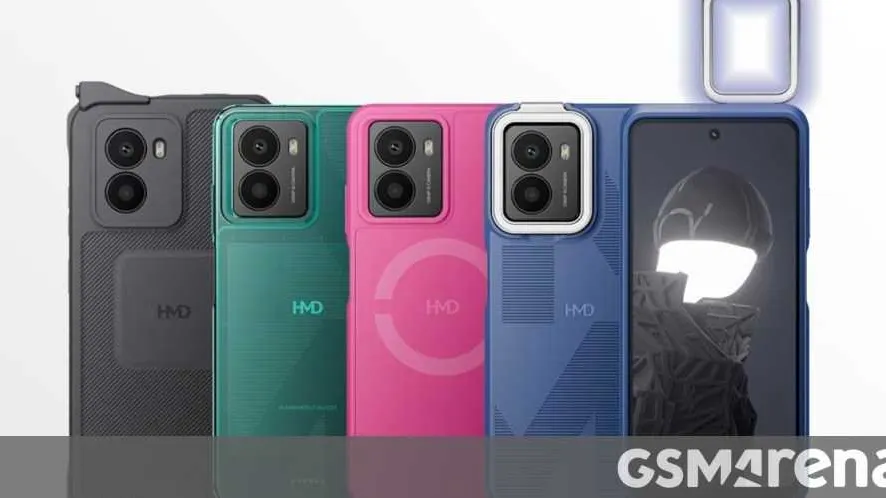
HMD Global, known for its innovative approach to smartphone design, made waves in September 2024 with the launch of the Fusion smartphone featuring a modular design. This unique concept allowed users to customize their devices by swapping out components. However, as of now, the anticipated Fusion 2 appears to have been shelved, raising questions about the future of modular smartphones.
The Rise and Fall of Modular Phones
Modular smartphones have been a topic of intrigue within the tech community, promising flexibility and customization. HMD's initial foray into this market with the Fusion smartphone generated excitement. Yet, recent reports indicate that the company may have decided to cancel the Fusion 2 project altogether. This decision reportedly stems from both high manufacturing costs and challenges related to profitability.
Understanding the Challenges
- High Manufacturing Costs: Creating modular smartphones entails significant investment in production and materials, which can be a hurdle for smaller brands.
- Low Consumer Demand: Despite ongoing discussions about modularity, actual consumer interest has not translated into sales, complicating the financial viability of such projects.
- Market Competition: Major players like Apple and Samsung could potentially succeed with modular designs due to their extensive resources and established customer bases. In contrast, niche brands like HMD face a tougher road.
Current Status of the Fusion Series
While the fate of the Fusion 2 remains uncertain, HMD is committed to supporting the original Fusion model. According to reliable sources, the company has pledged to provide three years of software updates for consumers and a five-year update window specifically for business users. This commitment ensures that existing Fusion owners will continue to receive essential support even as new models become less likely.
The Future of Modular Smartphones
The cancellation of the Fusion 2 project raises broader questions about the future of modular smartphones in general. Despite the initial excitement, the lack of widespread adoption may signal a shift in consumer preferences. As technology evolves, brands must adapt to market demands, and it seems that for now, traditional smartphone designs are holding the spotlight.
While many tech enthusiasts still yearn for a truly modular device akin to Google's Project Ara, the reality is that such innovations require not only consumer interest but also a stable infrastructure to support them. Without significant changes in market dynamics, modular smartphones may continue to struggle to find their footing.
Source: https://www.gsmarena.com/hmd_may_have_canceled_the_fusion_2_modular_smartphone-news-73700.php