US Supreme Court Decision: Stronger Protection for Mobile Phone Location Data Privacy
In today's digital era, many of us use smartphones daily, often agreeing to share personal data such as location history. But the question is, to what extent can this data be accessed by third parties, including the government? In a recent ruling, the United States Supreme Court provided a clear answer: the government should not have easy access to location data we share with technology companies.
Important Update in the Case of Chatrie v. United States
Today, the Supreme Court issued a 6-3 decision in the case of Chatrie v. United States. The case originated from a 2019 bank robbery incident, where police used a geofence warrant to track all devices near the crime scene. From this, they successfully apprehended Okello Chatrie. However, this decision goes beyond resolving an individual case; it expands privacy protections for data we provide to technology companies.
Fourth Amendment Protections Expanded
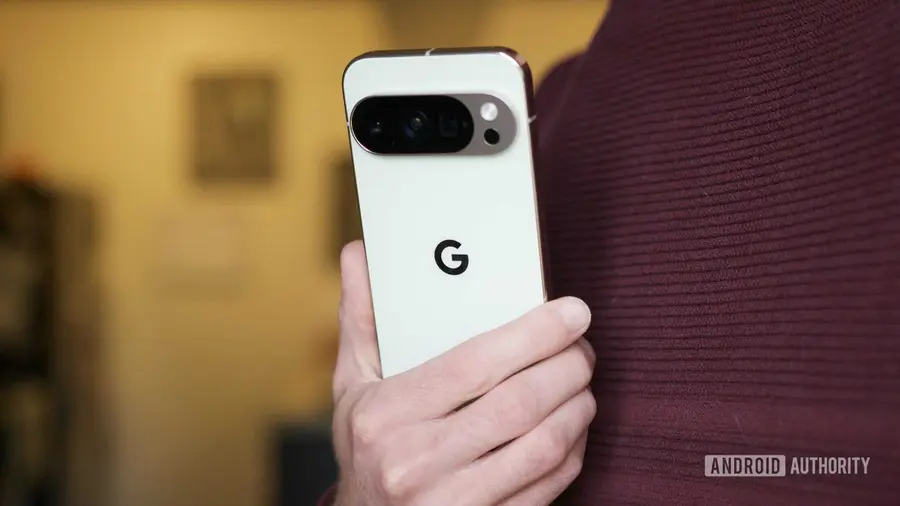
The ruling affirms that individuals have a reasonable expectation of privacy from the government, including regarding data they have shared with companies like Google and Apple. In her statement, Justice Elena Kagan, representing the majority, emphasized the importance of this privacy protection. Consequently, law enforcement must now obtain a warrant before accessing location data we provide to these companies.
- This decision reflects that individual privacy must be respected, even when the data has already been shared.
- Police cannot arbitrarily use location data for investigations without proper procedures.
- The Supreme Court underscores the importance of limits on broad warrants that could reach data from people not involved in the case.
Implications for Location Data Usage
This ruling marks a paradigm shift in how we view digital privacy. Location data is now regarded as personal information that must be protected from government surveillance without strong justification. This implies that smartphone users should be more aware of their rights regarding personal data and how such data can be used by third parties.
With this decision, it is expected that awareness among users about the importance of data privacy will increase. Additionally, technology companies are also expected to be more transparent about how they manage and protect user data.
Next Steps in the Case
Following this ruling, the case of Chatrie v. United States will proceed to the US Fourth Circuit Court, which will determine whether the geofencing warrant used in this case was properly issued. This decision has the potential to set an important precedent in future privacy cases and could spark further discussion about limits on government authority in accessing personal data.
With this move, the Supreme Court has demonstrated its commitment to protecting individual privacy in the digital age. It is a positive signal that privacy rights remain a priority, even as technology continues to evolve and change how we interact with the world around us.
Source: https://www.androidauthority.com/supreme-court-location-data-ruling-3682568/