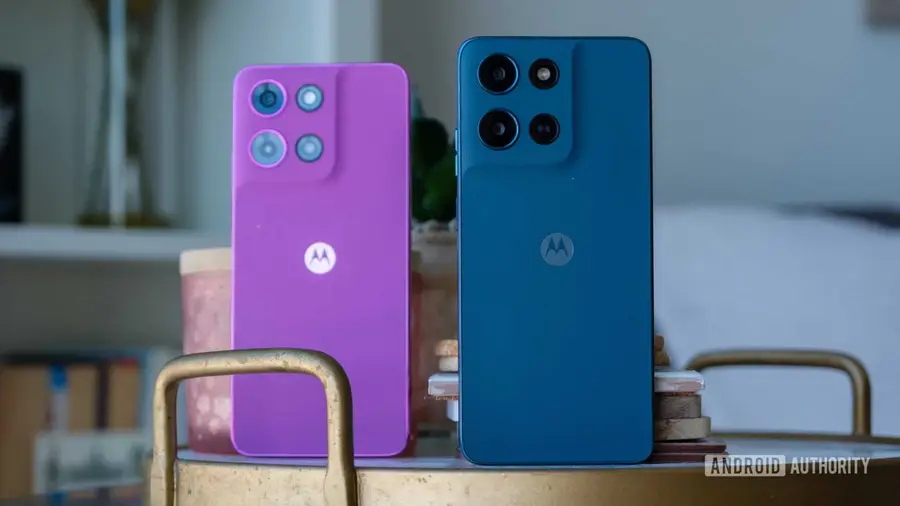
Motorola has long been known for its diverse lineup of smartphones, including budget-friendly options that provide a solid user experience. However, the Moto G series seems to have stagnated, failing to evolve in ways that keep it competitive with other brands. Here are five key areas where Motorola needs to improve its Moto G phones to regain consumer confidence.
Performance Issues Right Out of the Box
While it's typical for budget and mid-range smartphones to slow down over time, experiencing sluggish performance immediately after purchase is unacceptable. The Moto G (2025) features a MediaTek Dimensity 6300 processor, which performs well in benchmarks but falls short in real-world applications. Users expect their new devices to be responsive and capable, and Motorola needs to prioritize better processors and software optimization to enhance the user experience and longevity.
Bloatware Detracts from User Experience
One of Motorola's selling points has been its near-stock Android experience, which many users appreciate compared to more heavily customized interfaces from competitors. However, recent models have been increasingly laden with unnecessary pre-installed games and apps. While users can uninstall some of this bloatware, the presence of it detracts from the clean interface that Moto G users have come to expect. This issue is particularly pronounced in entry-level models with limited RAM, leading to complaints about memory usage in online forums.
Inadequate Software Update Promises
As smartphone manufacturers promise extended update support for premium devices, Motorola's Moto G series has struggled to keep pace. Although newer models may offer a couple of years of updates, this is still insufficient for budget-conscious consumers who often retain their devices for longer periods. A more robust update plan would not only enhance security but also provide access to newer features that could improve the overall user experience.
Display Technology Needs an Upgrade
While LCD technology has improved significantly, many budget smartphones are now equipped with OLED displays, which offer better contrast and color quality. Motorola continues to rely on LCD panels in its budget offerings, which feels outdated compared to competitors that deliver OLED screens at a similar price point. Although a high refresh rate can enhance the experience, the initial impression from a smartphone is its display quality, making it crucial for Motorola to consider switching to OLED technology.
Camera Performance Lags Behind Competitors
Consumers have come to expect decent camera performance even from budget devices. While some recent models like the Moto G Power 2026 have demonstrated acceptable performance, especially with their primary and ultrawide lenses, many other Moto G handsets still fall short. The inclusion of more capable sensors and improved image processing across the lineup would go a long way in restoring Motorola's reputation for delivering value in budget photography.
In conclusion, Motorola once offered some of the best budget smartphones in the market. However, the Moto G series has not kept pace with advancements in technology and consumer expectations. Until the company addresses these critical areas, potential buyers may find better alternatives elsewhere.
Source: https://www.androidauthority.com/why-i-wont-buy-another-moto-g-3684467/