
The recent report from market research firm Omdia provides insights into the global smartphone shipments for the second quarter of 2026. The report indicates a notable decline of 4% year-on-year in the smartphone market, largely attributed to an ongoing memory crisis.
Impact of the Memory Crisis
The memory crisis has disrupted the supply chain for various components, causing production costs to rise and adversely affecting the overall market. Despite this challenging environment, not all vendors have experienced the downturn equally.
Samsung's Continued Dominance
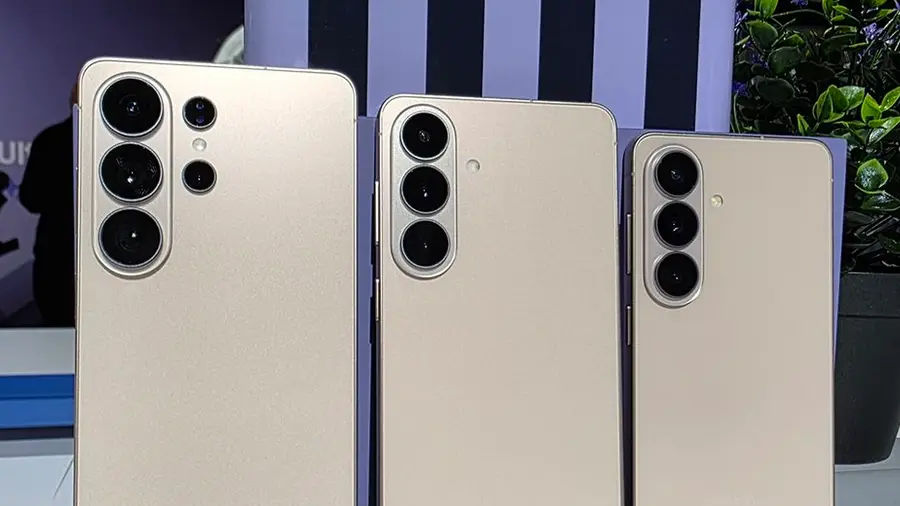
Samsung has managed to maintain its position as the world's largest smartphone vendor in Q2 2026, achieving a market share of 22%, which is a 2% increase from the same period in 2025. Omdia attributes this success to strong demand and stable device supply. Additionally, the delayed launch of the Galaxy S26 series has shifted some premium segment demand into the second quarter.
Apple's Record Performance
Apple also celebrated a historic performance in the second quarter, capturing a market share of 20%, up 4% from Q2 2025. This achievement is largely driven by the refresh and upgrade cycle surrounding the iPhone 17 series, which is considered one of the strongest in Apple’s history.
Other Vendors and Market Trends
Outside of Samsung and Apple, other vendors have struggled with declining sales due to the overall market weakness, particularly in the mid-range and budget segments. Xiaomi holds the third position with an 11% market share, followed by Oppo at 10% and Vivo at 8%.
According to Omdia's Principal Analyst, Runar Bjorhovde, the most significant drop in volume has been in the mass market segment, especially those priced below $400, which faces the most severe supply constraints, thin profit margins, and high price sensitivity.
Shifts in Vendor Strategies
The declining global smartphone shipments have prompted many vendors to pivot their strategies from prioritizing sales volume to enhancing product value. This shift involves optimizing product portfolios and adjusting retail prices. Bjorhovde notes that managing these increases is becoming increasingly complex and unpredictable, with some vendors now paying four to five times more for memory chips than in the previous year.
Currently, memory and storage components account for over 60% of the total material costs for budget devices and more than 30% for premium models. Omdia’s Research Manager, Le Xuan Chiew, predicts that memory prices may only start to decline significantly in the second half of 2027, and even then, they are not expected to return to pre-2025 levels.
Looking ahead, Omdia forecasts that the decline in smartphone shipment volumes may continue for the next two quarters, driven by seasonal demand from new product launches, holiday seasons, and shopping festivals, all while chip memory supply remains constrained.
Source: https://tekno.kompas.com/read/2026/07/15/19020007/riset-omdia--pasar-smartphone-dunia-anjlok-samsung-dan-apple-justru-tumbuh