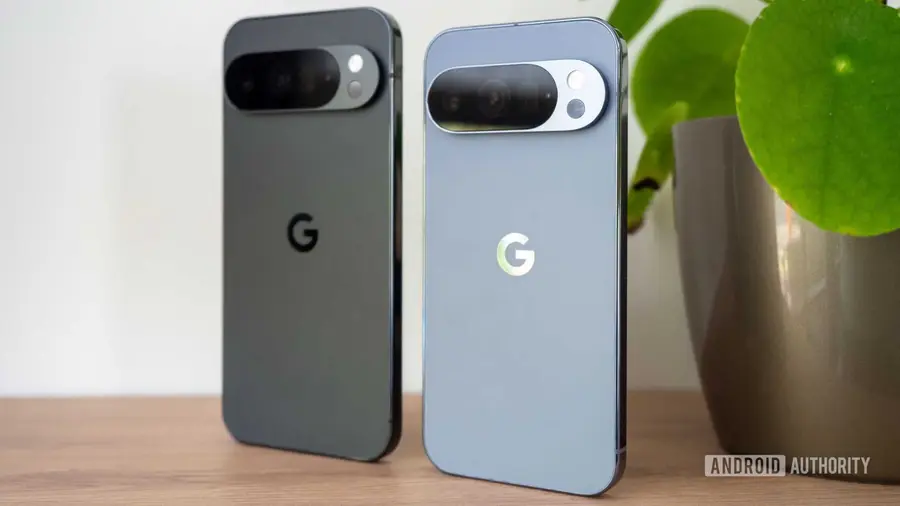
First impressions can be crucial, and Google has faced significant challenges with its Tensor chipsets over the years. With the impending launch of the sixth-generation custom SoC, questions loom over its capabilities, leaving potential buyers apprehensive about the Pixel 11. A recent survey indicated that many users are hesitant to invest in a new device until they have a clearer understanding of what the Tensor G6 has to offer.
Reflections on Previous Tensor Generations
Having utilized every version of the Tensor chipset, my perspective diverges from the general sentiment captured in our poll. While the path hasn't been entirely smooth, and market conditions have certainly posed challenges for the upcoming Pixel 11, the situation isn’t as dire as some critics suggest. Here’s an examination of where Google stumbled with its Tensor development and what I hope to see moving forward.
Initial Shortcomings of the Tensor Chipsets
The backlash I often receive when discussing Tensor chipsets positively highlights the frustrations of many Pixel 6 and 7 users. Like others, I was initially drawn in by the excitement surrounding the Pixel 6, believing that Google had finally crafted a unified vision for its smartphones, complemented by a custom chipset. However, the reality proved disappointing. The first-generation Tensor experienced persistent overheating issues that throttled performance and negatively impacted battery life. Although subsequent updates improved the situation, it took several months for the Pixel 6 to regain its footing.
Gradual Improvements in Performance
Things didn’t improve significantly with the Tensor G2 in the Pixel 7 series, as overheating remained an issue, albeit to a lesser extent. Users reported that the polished aluminum frame could become quite warm during use, which, combined with reduced battery performance, left many buyers disillusioned. However, my experience with the Pixel 8 Pro was quite different. It was the first Pixel phone that seemed to deliver the expected battery performance for a flagship device. Although some users still experienced overheating, the issue was considerably less prevalent. The Tensor chip never quite matched the performance benchmarks of its Snapdragon counterparts, but the overall user experience on the Pixel 8 Pro was impressively smooth, aided by Google’s unique software enhancements.
Current Perspectives on the Tensor G5
I’ve had similarly favorable experiences with my Pixel 9 Pro XL and Pixel 10 Pro XL. With improvements to the modem and each successive Tensor generation seeming better than the last, the Tensor G5 has performed admirably in my usage. While it may not deliver the same gaming capabilities as other flagship devices, it can still handle most AAA mobile games, though some lag becomes apparent at maximum settings. It’s important to recognize that Pixels aren’t designed for hardcore enthusiasts, which can be frustrating given their premium pricing. However, Pixel buyers today seem more satisfied than before, and many appreciate features like the enhanced Quick Share that now works seamlessly with Apple’s AirDrop.
Looking Ahead: The Pixel 11 and Tensor G6
The market dynamics are shifting, and rising prices complicate Google's position as they prepare for the Pixel 11 launch. While I admire the company’s ambitions, it becomes challenging to justify a premium price when compared to competitors like Samsung’s Galaxy S26 Ultra, which offers similar AI capabilities and Android features. Although I personally prefer Google’s Material 3 Expressive design and have enjoyed Android 17 on my Pixel 10 Pro XL, consumers paying nearly $1,400 are entitled to expect a comprehensive value proposition.
Leaks suggest that Google recognizes these challenges and is working on enhancing the Tensor G6, but whether they can successfully pivot within a single generation remains to be seen. I hope they can, as I’ve appreciated the progress made over the past few years. Pixels are enjoyable to use, even if they don’t cater to every user’s needs. However, for Google to succeed, the Tensor G6 must be polished and ready at launch.
In summary, Google’s journey with its Tensor chipsets has been filled with ups and downs, and I empathize with those who felt let down by earlier models. Yet, it's essential to acknowledge the improvements that have been made. The Pixel 11 will face high expectations, particularly with a potential hike in pricing, but I remain optimistic about what Google has accomplished with its chipsets.
Source: https://www.androidauthority.com/ive-used-every-pixel-tensor-chip-where-google-went-wrong-3691195/