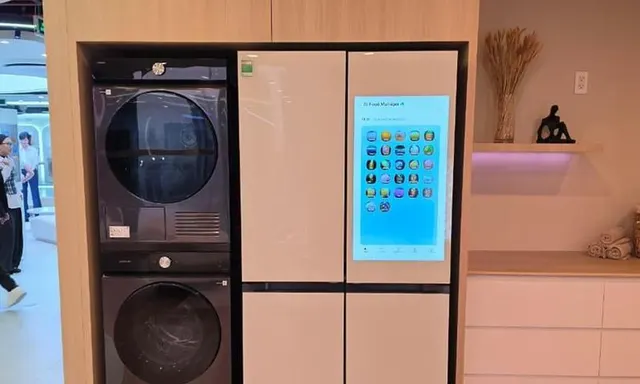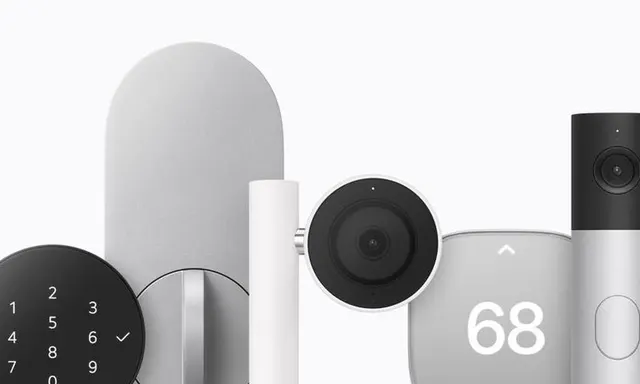

As smart home technology becomes more prevalent, concerns regarding data privacy have emerged. Recent findings indicate that many smart appliances routinely transmit personal usage data back to manufacturers. Consumer Reports highlighted that well-known brands can send between 3.4MB and 19MB of data each week. Although this may seem negligible, the information gathered—ranging from user habits to family schedules—can be a goldmine for marketers and data brokers.
Types of Data Collected
Understanding the specific types of data collected by smart devices is crucial. While some data may be basic—such as frequency and time of use—other pieces may include personal information like postal codes, birth dates, and locations. This raises significant privacy concerns, illustrating that interactions with smart appliances extend beyond the confines of the home.
Benefits of Smart Appliances
Smart appliances offer numerous conveniences, saving time and energy for users. For example, a smart refrigerator can alert you when supplies are low or manage family schedules through its display. Similarly, a smart washing machine can remind you to refill detergent or notify you when a wash cycle is complete. However, these functionalities also allow devices to track how often family members access the fridge, when groceries are purchased, and even weekly consumption patterns.
Data Encryption and Transparency Issues
Though most smart appliances encrypt the data they collect, the exact types of information being gathered remain unclear. Consumer Reports reached out to various brands for clarification, but many only provided vague responses about collecting “usage and performance data.” For instance, Kenmore detailed that they collect data on power status, door usage, and energy consumption. Meanwhile, LG and Samsung mentioned gathering basic identity information like postal codes and phone numbers.
Privacy Policies and User Responsibility
To comprehend the extent of data tracking by smart appliances, users should read the privacy policies provided by the manufacturers. These documents are often available online or included with the product packaging. While these policies can be lengthy and complex, they are essential for understanding how personal data might be utilized.
For instance, Samsung’s privacy policy states that collected data is used for personalized advertising and direct marketing, and is shared with subsidiaries and third-party business partners. LG, on the other hand, emphasizes that they gather information about service usage and device behavior, which may also be shared with advertising partners.
While the data collected might seem innocuous, it is crucial to recognize the potential for it to be used for marketing purposes, both by the brand and third parties. Users might find themselves questioning the safety of connecting more smart devices to their homes.
In conclusion, while smart appliances provide undeniable benefits like ease of use and energy efficiency, it is vital to understand the privacy implications before incorporating them into your home. Reading privacy policies can help users make informed decisions about which brands to trust and whether to adopt smart technology at all.
Source: https://telset.id/how-to/risiko-data-smart-home-cara-cek-aplikasi-kumpulkan-data-pribadi