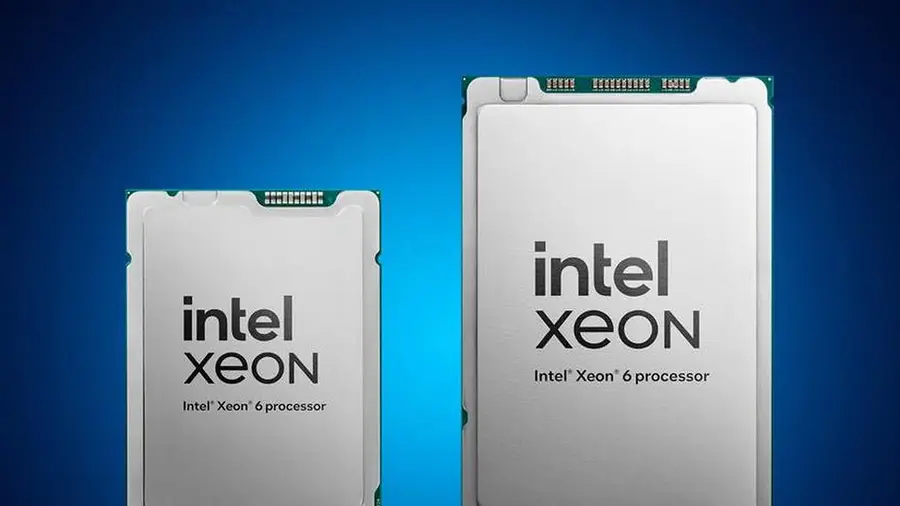
Intel has announced its decision to bring back simultaneous multi-threading (SMT), commonly known as hyper-threading, into its data center processor lineup. This technology is expected to debut alongside the release of the Xeon 8 series, dubbed "Coral Rapids," scheduled for 2028.
Future Plans for Hyper-Threading
While the reintroduction of hyper-threading has been confirmed for the Xeon processors, Intel has yet to clarify whether this technology will also return to its consumer or client processor lines. This information was highlighted in a report from Techspot on July 27, 2026.
Intel's Strategy to Regain Market Share
During the second quarter earnings report on Thursday, Intel's CEO, Lip-Bu Tan, addressed investors and analysts regarding the company's strategic plans aimed at reclaiming market share in both retail and corporate segments. A key initiative involves the revival of hyper-threading through the Coral Rapids processors set to launch in 2028.
Focus on Performance Improvements
Tan emphasized that Intel will also be prioritizing enhancements in single-threaded performance to boost competitiveness across major market segments. This response came during a discussion with Morgan Stanley analyst Joe Moore, who inquired about Intel's concrete plans for recovering market share lost to competitors like AMD and Arm over the next five years.
Shifts in Technology Over the Years
Intel has a long history of utilizing hyper-threading, with its introduction dating back to the early 2000s through single-core Xeon and Pentium 4 processors. The technology was designed to enhance computational performance under multi-threaded workloads. However, as physical core counts in x86 CPUs continued to rise, Intel phased out hyper-threading, considering it an outdated feature that no longer held the same importance as it did two decades ago.
Intel's Alder Lake architecture, launched in 2021, marked the first desktop processor line to adopt a hybrid core design, but it only included hyper-threading on the performance cores (P-cores), limiting the efficiency cores (E-cores) to a single hardware thread per core. The implementation of hyper-threading in data center processors has varied significantly across generations.
The decision to reinstate hyper-threading comes after Intel had previously opted to discontinue the feature with the Arrow Lake-S architecture in 2024. Although this reduction began with the Alder Lake series, the company is now poised to reintegrate this technology as part of its renewed focus on performance and competitiveness.
Source: https://inet.detik.com/consumer/d-8592500/intel-bakal-hidupkan-kembali-teknologi-hyper-threading