
Google is contemplating modifications to the way Android manages local debugging connections, a move that could significantly impact how advanced users tweak their devices. The Android Debug Bridge (ADB) has long been a vital tool for enthusiasts, allowing them to manage permissions and execute scripts without needing full root access. Recently, however, internal conversations among Android engineers have hinted at potential restrictions that could limit this flexibility.
Understanding the Proposed Changes
A technical analysis by developer Kitsumed reveals that a proposal submitted to Google’s Issue Tracker suggests confining the ADB daemon (adbd) to external network interfaces like Wi-Fi and USB connections. This would effectively block access through “localhost loopback” addresses, such as 127.0.0.1, which are crucial for on-device ADB operations.
What is Localhost Loopback?
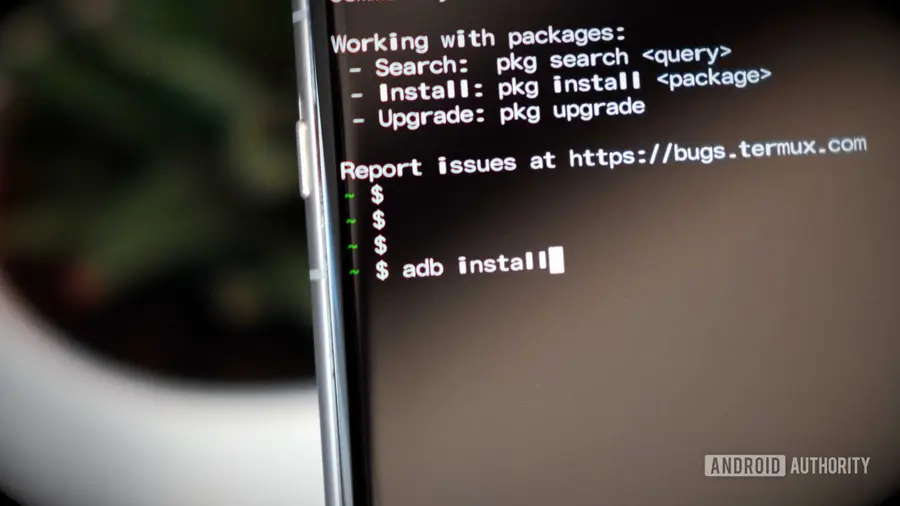
In simpler terms, localhost loopback allows a device to communicate internally using its own network protocols. This capability enables a phone to execute elevated debugging commands directly on its system. Applications like Termux utilize these loopback connections to run complex scripts, manage packages, or remove unnecessary applications without needing a tethered computer. Additionally, frameworks such as Shizuku take advantage of temporary ADB access to provide elevated permissions to secondary apps, facilitating system tweaks and deeper customization without requiring permanent root access.
The Benefits of On-Device ADB
The primary advantage of using localhost loopback for on-device ADB is the ability to execute elevated commands conveniently, all while maintaining security frameworks like Play Integrity. This feature is particularly appealing to power users who prefer not to be tethered to a PC for debugging tasks.
Potential Risks and Security Concerns
Nevertheless, there are inherent risks: an open local debugging socket could be susceptible to exploitation by malicious apps that could gain unauthorized system-level permissions. The dialogue around this issue was initiated by CVE-2026-0073, a vulnerability that allowed attackers on any connected network to bypass ADB authentication. Although this vulnerability was patched in the May 2026 Android security updates, the broader risk remains valid. By binding adbd exclusively to trusted Wi-Fi networks, Google could minimize exposure by preventing access from untrusted networks.
A Google employee, considered an ADB core maintainer, proposed limiting adbd to Wi-Fi interfaces and restricting localhost loopback to mitigate the risk of privilege escalation. Following community feedback, the employee indicated that they would assess the risk-versus-feature trade-off.
The Community Reaction
Despite these discussions, it is essential to note that no conclusive decisions have been made yet. The community is encouraged to engage thoughtfully by contributing technical feedback in the Android Public Tracker thread. Users can also express their support for existing comments instead of adding redundant messages.
If Google moves forward with these changes, some developers have suggested compromise solutions, such as introducing an opt-in toggle within Developer Options that would enable localhost ADB for advanced users while ensuring default settings remain secure.
At present, workflows involving on-device ADB continue as usual. However, there is understandable anxiety among the Android power-user community, especially with the increasing restrictions around sideloading on the platform. While apprehensions about the future of power-user capabilities are palpable, it may be too soon to declare the end of an era. For now, the community must wait and observe how Google navigates these discussions.
We have reached out to Google for additional insights regarding the proposed restrictions on on-device ADB and will provide updates as more information becomes available.
Source: https://www.androidauthority.com/google-android-on-device-adb-changes-discussion-3691371/