
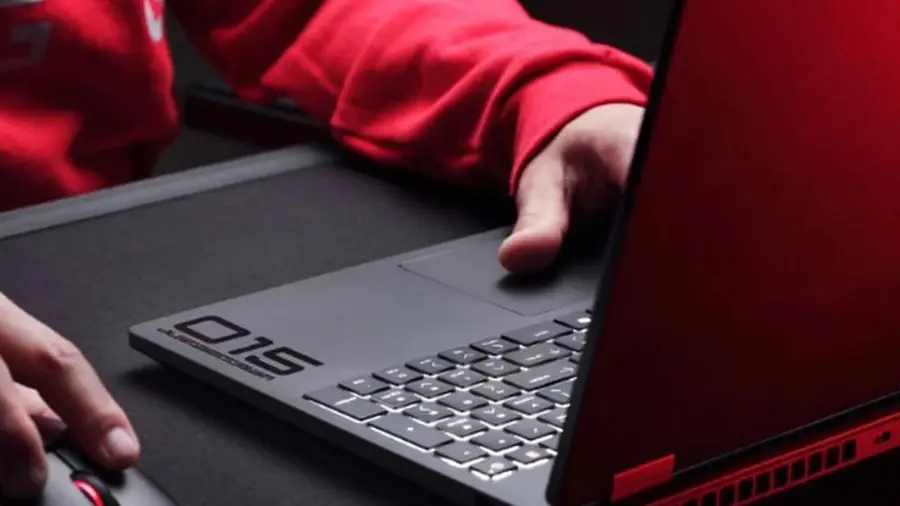
The global PC market is undergoing a significant strategic shift. Due to shortages and soaring prices of memory components (RAM/NAND), manufacturers are moving away from budget laptops and instead focusing on more expensive AI PCs.
Decline in PC Shipments
This transition has resulted in a continuous decline in the number of PCs shipped globally. However, it has simultaneously propelled major vendors' revenues to unprecedented levels. According to a report from International Data Corporation (IDC), global PC shipments fell by 4.9% in the second quarter of 2026. IDC projects that the average price of PCs will rise by 20% throughout the year, followed by a more moderate increase in 2027.
Strategies to Maintain Revenue
"Manufacturers need to offset the drop in shipment volumes by setting higher selling prices to maintain or grow their revenues," explained Jitesh Ubrani, Director of Consumer Research at IDC.
Impact of Component Costs
This strategy’s effectiveness is evident in the quarterly financial reports of major tech companies. The costs of memory components have surged as global semiconductor supplies are increasingly prioritized for building AI server infrastructure and data centers. With memory prices high and supply limited, vendors are focusing their component allocation on premium device lines, particularly AI PCs.
Features of AI PCs
AI PCs are typically equipped with the latest combinations of processors (CPU), graphics cards (GPU), and neural processing units (NPU), which require larger memory capacities. This configuration raises the selling price per unit while providing manufacturers with thicker profit margins. CFO of HP, Karen Parkhill, confirmed that the share of AI PC shipments at the company is increasing and will be a key driver of future business growth.
Analysts from UBS, such as David Vogt, note that the commercial sector, which accounts for about 75% of the total PC market volume, will be a crucial support. Many companies are willing to pay a premium to obtain local AI PCs that securely handle sensitive data without relying on cloud services.
Challenges for Retail Consumers
On the other hand, the retail consumer segment is expected to struggle more with these price increases. Many casual buyers are reluctant to pay higher prices for AI features that do not yet offer significant practical benefits in their daily lives.
For consumers hoping for lower laptop prices in the near future, the news is not promising. The memory supply crisis is expected to persist for some time. IDC forecasts that improvements in memory supply will not occur until at least 2028, indicating that PC prices are unlikely to return to 2025 levels anytime soon.
Source: https://inet.detik.com/consumer/d-8656704/harga-laptop-melonjak-penjualan-turun-tapi-cuan-melesat