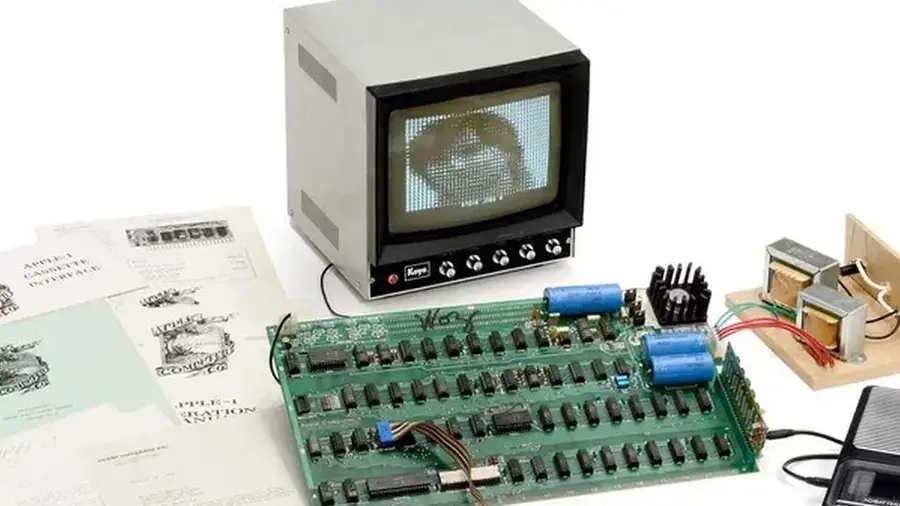
A rare and fully functional Apple-1 computer is set to be auctioned this October, with anticipated bids ranging from USD 500,000 to USD 800,000 (approximately Rp 8.8 billion to Rp 14 billion). This particular unit, known as 'Hatfield', holds significant historical value, as it was originally purchased by Fred Hatfield during Apple's inaugural year.
History of the Apple-1 Computer
The Apple-1, designed by Steve Wozniak and co-founded by Steve Jobs, was first introduced in 1976. Only 200 units were produced, and it was initially sold as a bare circuit board for enthusiasts to assemble. However, Jobs successfully sold 50 fully assembled units to The Byte Shop, a California retailer, at a price of USD 666 each.
The Journey of the 'Hatfield' Unit
Fred Hatfield sold his Apple-1 in 2013 for USD 40,000, although it was not operational at the time. The buyer repaired the device and even managed to obtain Wozniak's signature on the motherboard, which significantly increased its value. The previous auction fetched USD 671,400 for the signed unit, and the upcoming auction is expected to exceed that amount.
Rarity and Significance
Currently, there are fewer than 75 Apple-1 computers known to exist, with even fewer still functioning. This particular unit is recorded as number 48 in the Apple Registry, making it a coveted item for collectors and technology enthusiasts alike.
Additional Memorabilia
Alongside the Apple-1, the winning bidder will receive a letter signed by Steve Jobs, responding to Hatfield's concerns about software availability for the Apple-1. Jobs offered an upgrade option to the then-new Apple II, which Hatfield declined, citing the cost of USD 400.
Before the auction, the Apple-1 will be displayed for the public in major cities such as Los Angeles, Boston, San Francisco, and New York. Bidding will open on October 4 and close on October 14, 2026, presenting a unique opportunity for collectors.
Source: https://inet.detik.com/consumer/d-8651565/komputer-apple-1-langka-dilelang-harganya-diramal-tembus-rp-14-miliar