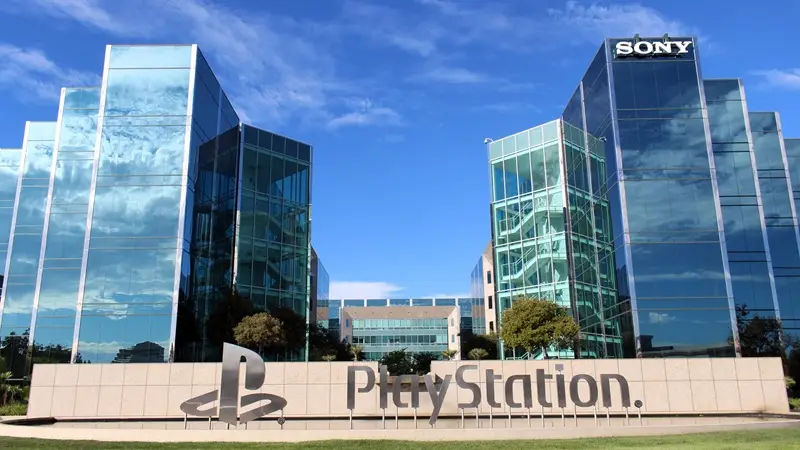
Sony Interactive Entertainment (SIE) mengambil langkah signifikan dalam dunia gaming dengan melakukan investasi sekitar US$35 juta untuk mengubah fasilitas produksi Blu-ray di Thalgau, Austria. Langkah ini menjadi fondasi bagi transisi PlayStation menuju distribusi game digital sepenuhnya yang dijadwalkan mulai Januari 2028.
Perubahan Menuju Distribusi Digital
Bersamaan dengan investasi tersebut, Sony mengumumkan bahwa semua game PlayStation baru yang dirilis setelah Januari 2028 tidak akan lagi diproduksi dalam format disc fisik. Game-game baru ini akan tersedia secara eksklusif melalui PlayStation Store atau melalui kode digital yang dijual oleh mitra ritel resmi.
Transformasi Fasilitas Produksi
Sony tidak hanya menghentikan produksi disc, tetapi juga melakukan transformasi menyeluruh terhadap fasilitas manufakturnya. Pabrik Sony DADC (Digital Audio Disc Corporation) di Thalgau, yang selama bertahun-tahun memproduksi Blu-ray untuk PlayStation, kini sedang bertransformasi berkat investasi senilai sekitar US$35 juta. Lini produksi yang sebelumnya mencetak media optik dibongkar dan digantikan dengan teknologi tinggi untuk memproduksi komponen optik presisi, seperti microlens untuk lampu kendaraan modern, sensor LiDAR untuk industri otomotif, dan perangkat medis.
Dampak pada Karyawan dan Produksi
CEO Sony DADC, Dietmar Tanzer, menegaskan bahwa transformasi ini tidak akan berdampak pada sekitar 300 karyawan yang ada. Seluruh pekerja akan mendapatkan pelatihan ulang untuk beralih ke produksi komponen optik generasi baru. Fasilitas Thalgau sebelumnya mampu memproduksi sekitar 600.000 disc setiap hari, dengan setengah kapasitasnya digunakan untuk game PlayStation. Namun, setelah transformasi, kapasitas produksi akan turun drastis menjadi hanya sekitar 60.000 disc per hari, atau sekitar 90 persen dari sebelumnya.
Strategi Masa Depan Sony dalam Dunia Gaming
Penurunan kapasitas produksi ini menunjukkan bahwa investasi Sony tidak hanya sekadar efisiensi operasional, melainkan juga merupakan perubahan arah bisnis manufaktur yang permanen. Keputusan ini didorong oleh perubahan perilaku konsumen, di mana pada tahun fiskal 2025, sekitar 80 persen penjualan game di ekosistem PlayStation akan berasal dari pembelian digital. Ini adalah peningkatan signifikan dibandingkan dengan era peluncuran PlayStation 4 pada 2013, ketika penjualan digital hanya menyumbang sekitar 13 persen.
Dengan distribusi digital, Sony juga dapat mengurangi biaya produksi Blu-ray, pengemasan, distribusi internasional, hingga margin yang diberikan kepada jaringan ritel. Transformasi pabrik dan penghentian produksi disc ini dianggap sebagai sinyal kuat mengenai arah perangkat keras PlayStation di masa depan.
Strategi distribusi digital secara penuh dinilai lebih optimal jika didukung oleh konsol yang tidak lagi menggunakan optical drive. Meskipun Sony belum mengungkapkan detail mengenai PlayStation generasi berikutnya, investasi besar pada fasilitas manufaktur menunjukkan bahwa perusahaan mulai mempersiapkan ekosistem yang sepenuhnya berorientasi digital.
Dengan langkah ini, Sony tidak hanya mengakhiri era Blu-ray, tetapi juga mencerminkan perubahan strategi secara menyeluruh—dari perusahaan yang memproduksi media fisik menjadi penyedia layanan distribusi digital dan teknologi manufaktur optik berpresisi tinggi.
Sumber: https://www.esports.id/read/sony-investasikan-us35-juta-untuk-transformasi-pabrik-playstation-siapkan-era-game-digital-mulai-2028-18953